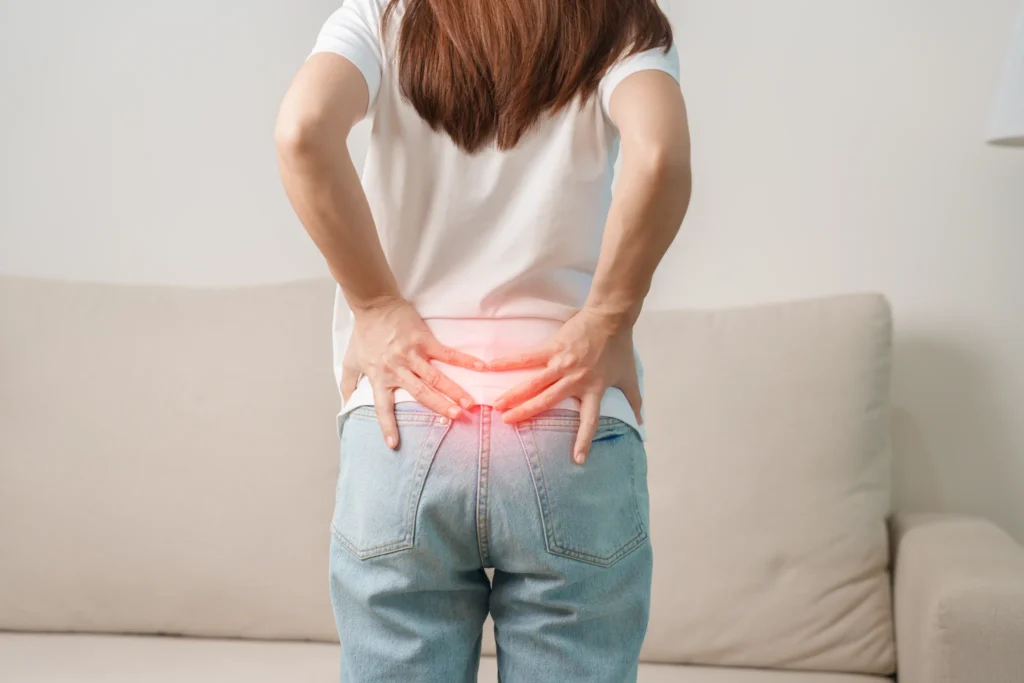
As a physical medicine and rehabilitation (PM&R) physician, I know all too well how much chronic pain — whether in the back, shoulder, or knee — can take over and erode a person’s quality of life. Many people are familiar with reaching for painkillers, massage, or compresses to “relieve symptoms,” which helps in the short term. But when the pain keeps coming back again and again, it means you haven’t yet found the true “root cause” of the problem.
That is why a thorough assessment by a rehabilitation physician is the single most important starting point for breaking out of the cycle of pain and moving toward treatment that is truly “sustainable.”
Who Is a PM&R Physician? And What Makes Them Different?
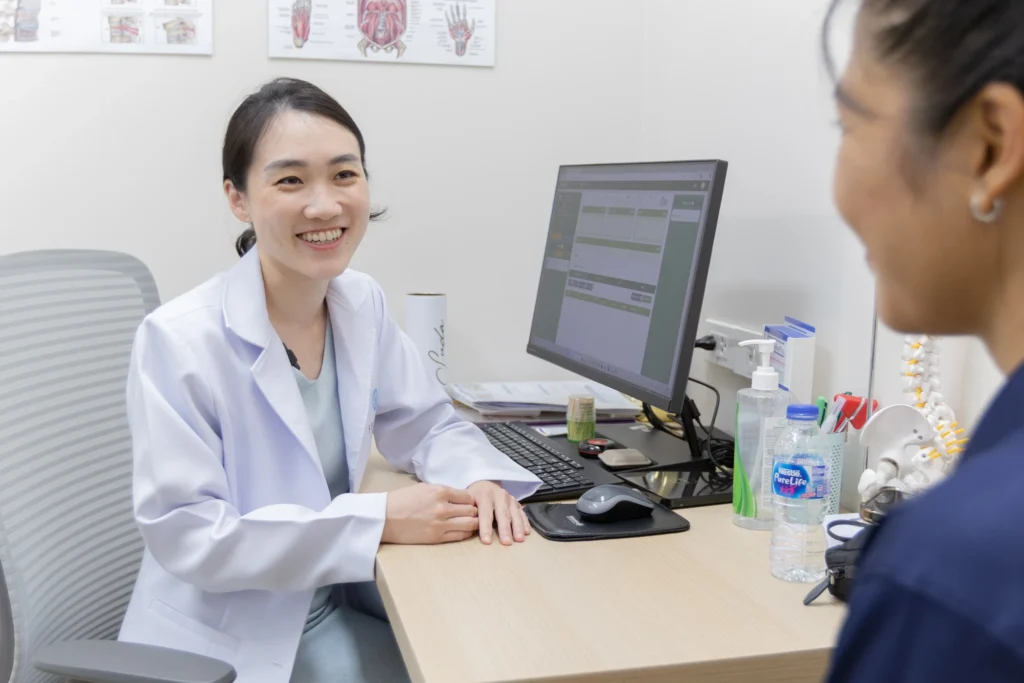
A rehabilitation medicine specialist is a physician trained to diagnose and treat conditions that affect the function of the muscles, bones, joints, nerves, and brain. Our job isn’t limited to treating pain — it is about “restoring function” and helping patients return to the fullest, highest-quality life possible.
The key difference is our “perspective” on treatment:
- Focus on finding the cause: We don’t just look at where you hurt (e.g., knee pain). We look for abnormalities in the body’s overall movement, structure, and strength that may be the underlying cause of the pain.
- Not reliant on surgery: Our treatment mostly centers on medication, physical therapy, medical devices, and non-surgical procedures (such as injections or various stimulation therapies).
An Assessment That Goes “Deeper” Than What You’ve Experienced
Seeing a rehabilitation physician is not just a brief history-taking followed by a prescription — it is a detailed investigation to build your personal pain map:
- In-Depth History-Taking (The Pain Story)
We ask about the nature of your pain and its pattern (when does it hurt? in what positions?), as well as your daily routines, occupation, leisure activities, and treatment goals. After all, an athlete’s back pain and an office worker’s back pain have different causes and require different treatments.
- Specialized Physical Examination (The Physical Exam)
This step is the heart of the assessment! We evaluate systematically and meticulously:
- Posture & Movement: We observe and test movement in various positions to find weak points or abnormal tightness — for example, weak hip muscles leading to back pain, or the shoulder joint moving through the wrong arc.
- Strength and Nerve Responses: We test muscle strength, and reflexes of tendons and nerves, to determine whether the pain is caused by a bone compressing a nerve or simply by muscle tightness.
- Diagnostic Tools
In some cases, we may use specialized tools to confirm the diagnosis, such as:
- Musculoskeletal Ultrasound (MSK Ultrasound): Used to view the structure of tendons, muscles, and nerves in real time, allowing more precise localization of the injury.
- Nerve Conduction Study/EMG: Used to confirm whether pain or numbness truly stems from a nerve abnormality.
The Goal: Pain Treatment That Leads to “Freedom” in Life
Once the assessment is complete, the rehabilitation physician brings all of the data together to build a Personalized Treatment Plan, which typically includes:
- Correcting the root cause: A physical therapy program focused on strengthening weak muscles, stretching tight ones, or adjusting working posture.
- Pain management: Medication or specialized procedures such as targeted injections or advanced physical therapy modalities (e.g., Shockwave, High Power Laser) so you feel comfortable and can fully participate in the rehabilitation program.
- Prevention: Education and practical guidance for daily life to keep the pain from returning.
Investing in a thorough assessment with a rehabilitation physician is not treatment to “live with the pain” — it is treatment to “break free from the pain,” so you can return to living freely as yourself: exercising, working, or playing with your children. If you’re tired of temporary symptom relief, change your perspective and start treating your pain sustainably with us at Freesia Rehab Clinic.