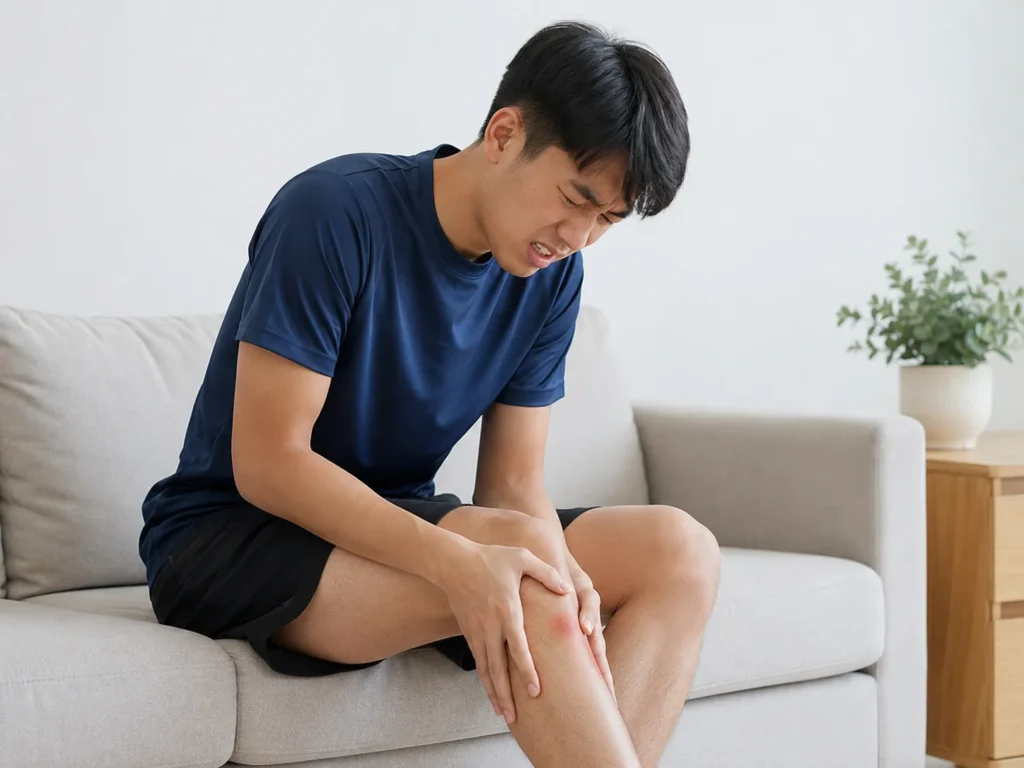
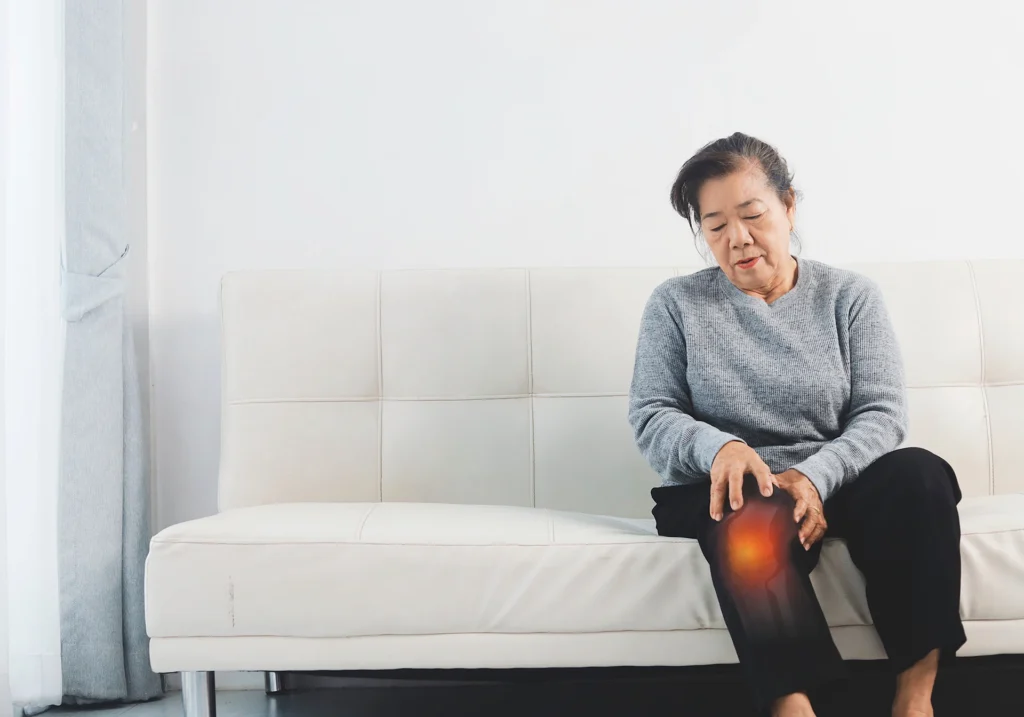
A grinding sound when walking up and down stairs, a dull ache in the knee on cold days, or a feeling of tightness every time you stand up from a chair… these may be the early signals of a condition called knee osteoarthritis — one of the most common health problems, especially among older adults, though it is increasingly seen in younger people today. This disease is not just about age; it arises from multiple factors that cause the articular cartilage to wear down. This article will help you understand knee osteoarthritis in depth — from causes and symptoms to proper prevention and treatment.
Causes and Symptoms of Knee Osteoarthritis
Our knee joint is made up of two main bones: the femur (thigh bone) and the tibia (shin bone). The ends of both bones are covered with cartilage, which acts as a cushion and keeps movement smooth. Over time, or when certain factors come into play, this cartilage begins to wear away, causing the bones to rub against each other — leading to inflammation and pain.
Knee osteoarthritis can be classified into 4 stages of severity:
- Stage 1 (Early): Mild pain begins after intense exercise.
- Stage 2 (Mild): Knee pain with heavy use, grinding or popping sounds, and a slight narrowing of the joint space visible on X-ray.
- Stage 3 (Moderate): Pain becomes more pronounced even at rest, with joint stiffness, joint locking, and limited range of motion.
- Stage 4 (Severe): Constant severe pain, obvious joint deformity, and a major impact on daily life.
Risk Factors and Prevention
While age-related joint degeneration cannot be avoided entirely, we can reduce the risk and slow the onset of the disease — especially if you fall into these risk groups:
- Excess weight: Excess body weight places enormous compressive forces on the knees.
- Overuse: e.g., frequent squatting, kneeling, or heavy lifting.
- History of injury: Those who have had previous knee trauma, such as a torn ligament or a fracture.
The best prevention is keeping your weight within the standard range, avoiding habits that place heavy loads on the knees, and exercising regularly to strengthen the muscles around the knee.
Basic Self-Care
If you start experiencing knee pain, you can care for yourself with these simple principles:
- Rest the joint: Avoid activities that put heavy stress on the knees, such as running or climbing stairs.
- Cold compress: During acute pain and inflammation, apply a cold gel pack or ice pack for 15–20 minutes at a time, 2–3 times a day.
- Strengthening exercise: Focus on exercises that don’t load the knee joint, such as quadriceps strengthening or swimming, to help support the knee and reduce its workload.
Treatment When You Need to See a Doctor
If the pain does not improve or continuously interferes with daily life, you should consult a physical medicine and rehabilitation (PM&R) physician for proper diagnosis and treatment, which may include:
- Medication: The doctor may consider pain relievers and anti-inflammatory drugs, or intra-articular knee injections such as corticosteroids or hyaluronic acid (synthetic joint fluid).
- Physical therapy: A very important part of knee rehabilitation. A physical therapist will recommend physical modalities to reduce pain and teach proper exercises to improve the flexibility and strength of the muscles around the knee.
- Surgery: A last resort for patients with severe stage 3–4 symptoms. The doctor may consider arthroscopic knee lavage (washing out the joint), or total knee replacement surgery to correct structural abnormalities.
Knee osteoarthritis is a manageable condition if we understand it and take it seriously. Consistent early self-care can slow the degeneration and help you return to a better quality of life. Don’t let knee pain limit the way you live. If you have any questions, come consult a rehabilitation medicine specialist for advice and a physical therapy program best suited to you at Freesia Rehab Clinic, Rama 3.