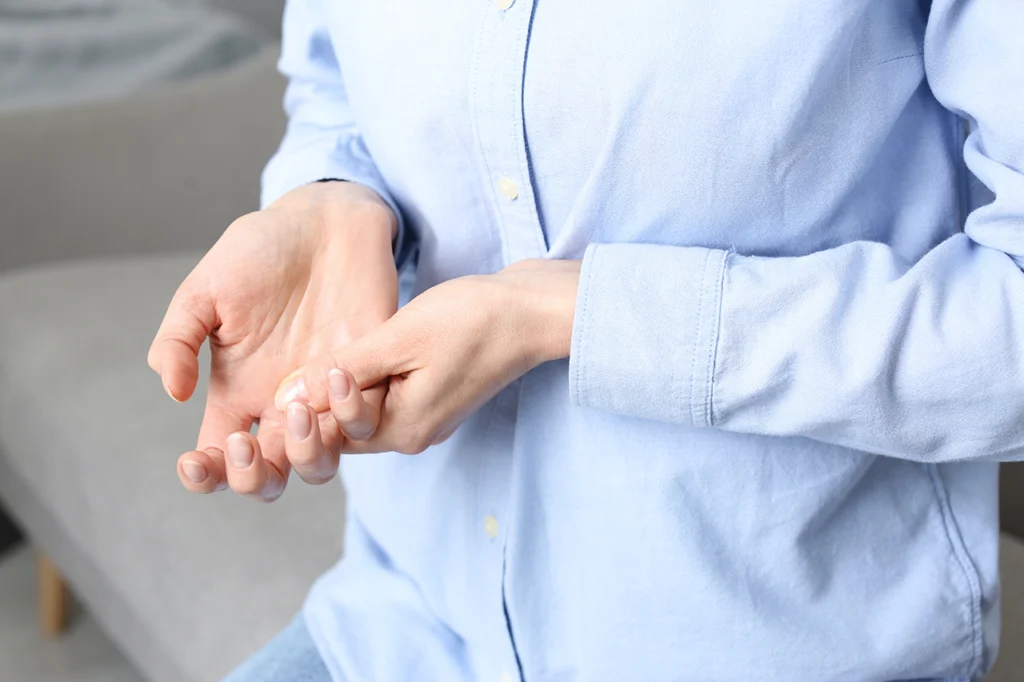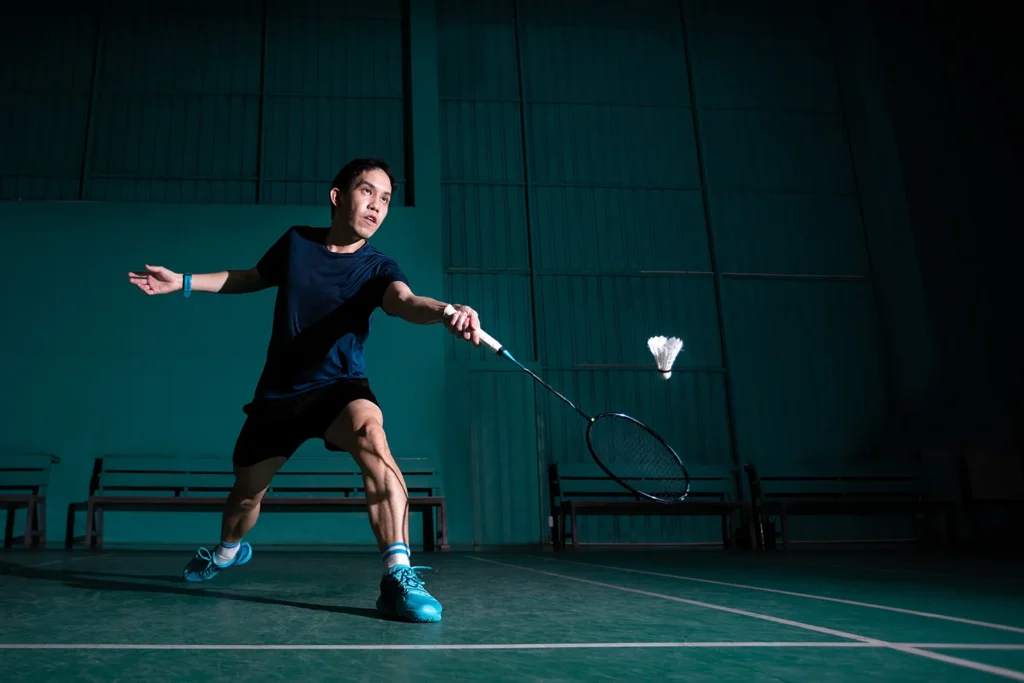
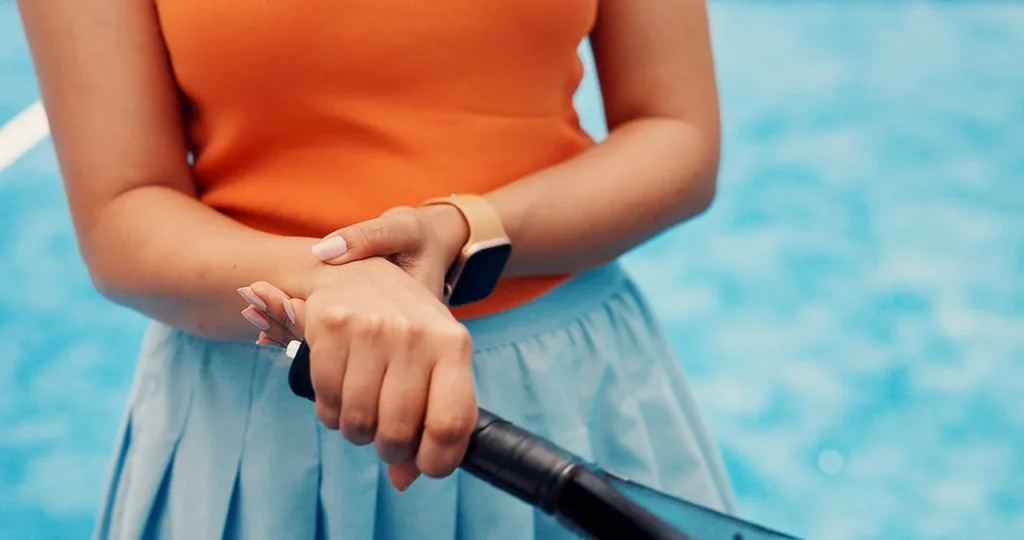
Ever hit a beautiful topspin tennis shot, or braced your hands on the floor for a plank, and suddenly felt a sharp stab on the little-finger side of your wrist — sometimes with an audible “click” and a grip strength that just… disappears? This isn’t just an ordinary “sprained wrist.” It’s the warning sign of a TFCC injury (Triangular Fibrocartilage Complex) — in simple terms, the “cushion of the wrist.”

What Is the TFCC, and Why Does It Matter So Much?
The wrist is made up of many small bones. Where the forearm bone (ulna) meets the wrist bones on the little-finger side, there is a group of tissue, ligaments, and cartilage arranged in a triangular shape. The TFCC acts like a shock absorber, taking impact and stabilizing the wrist as we rotate, twist, and move the hand around.
Why Do Athletes’ Wrists Get Injured So Easily?
TFCC problems don’t only affect heavy lifters — they’re very common in sports that place specific demands on the wrist:
Swing Sports (Tennis, Badminton, Golf)
Rapid wrist flicks, or a golf club striking the ground, sends massive rotational force directly into the TFCC.
Weight-Bearing Sports (Gymnastics, Yoga, Weightlifting)
Falling on an outstretched hand, or heavy bench pressing with the wrist pushed into hyperextension, compresses the wrist’s cushion hard.
Contact or High-Speed Sports
Such as bracing the ground with the hand during a fall while running or playing football — the leading cause of acute TFCC tears.
Symptom Check: Is It the TFCC?
If you’ve had any of these symptoms for more than 1–2 weeks, you should see a doctor:
- Pain on the little-finger side of the wrist, especially when turning a key, wringing a cloth, or leaning on your hand.
- An audible “click” in the wrist when rotating it.
- Reduced grip strength — the hand feels weak, and holding a racket no longer feels as secure as before.
- Tenderness in the small groove between the wrist bones on the little-finger side.
Treatment Approach: Surgery Isn’t Always Necessary — If Treated Early and Correctly
| Treatment Phase | Management |
|---|---|
| Acute Phase | Focus on reducing inflammation; wear a soft cast or a special wrist splint that supports the little-finger side (Ulnar Booster) so the tissue can heal. |
| Rehabilitation Phase | Use physical modalities such as High Power Laser to accelerate tissue repair, or Shockwave in chronic cases. |
| Therapeutic Exercise | Emphasize joint stability over flexibility, and train proprioception (joint position sense). |
Caution: Many athletes try to “stretch the wrist” when it hurts — but for TFCC, forceful stretching during active inflammation can widen the tear.
Prevention: Build Wrist Strength
If you train every day, these are the most sustainable preventive measures:
Forearm Strengthening
Work both the flexor and extensor sides, so the muscles take the load instead of the ligaments.
Adjust Your Equipment
For example, sizing your tennis grip properly to your hand to reduce excessive squeezing force.
Use Support (Taping/Bracing)
On heavy training days, a quality wrist wrap does a great job of reducing accumulated rotational stress.
Finally, being a great athlete isn’t just about training the hardest — it’s about “listening to your body” the best. If you start feeling that stab in your wrist, don’t push through until the cushion tears permanently, because resting to repair today beats being sidelined for good. If you have symptoms, come consult our rehabilitation medicine specialist and receive physical therapy at Freesia Rehab Clinic, Rama 3.