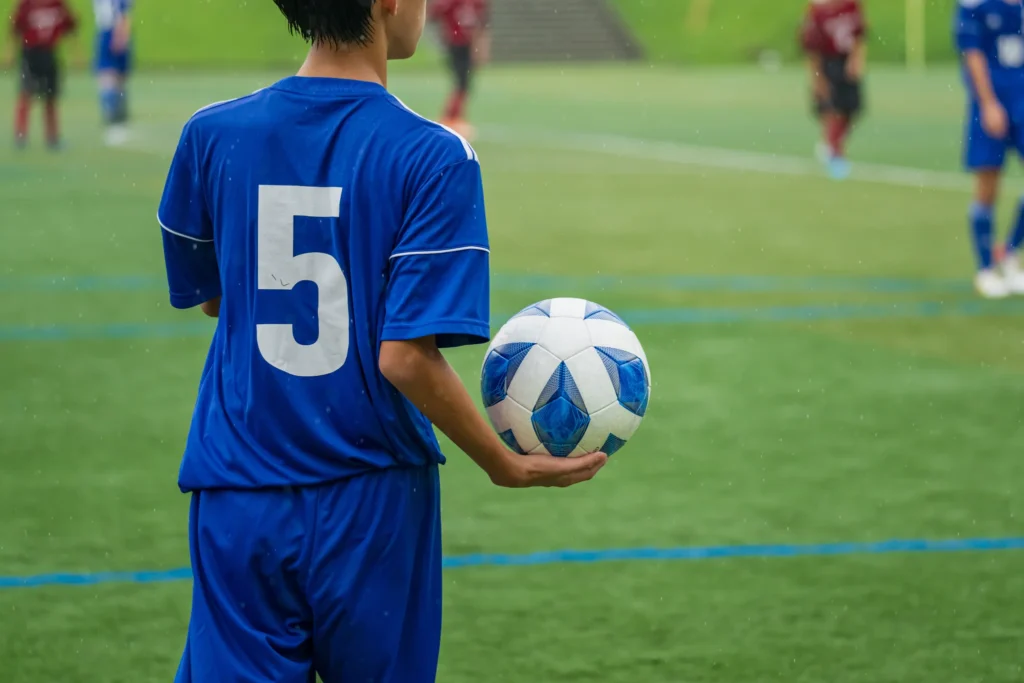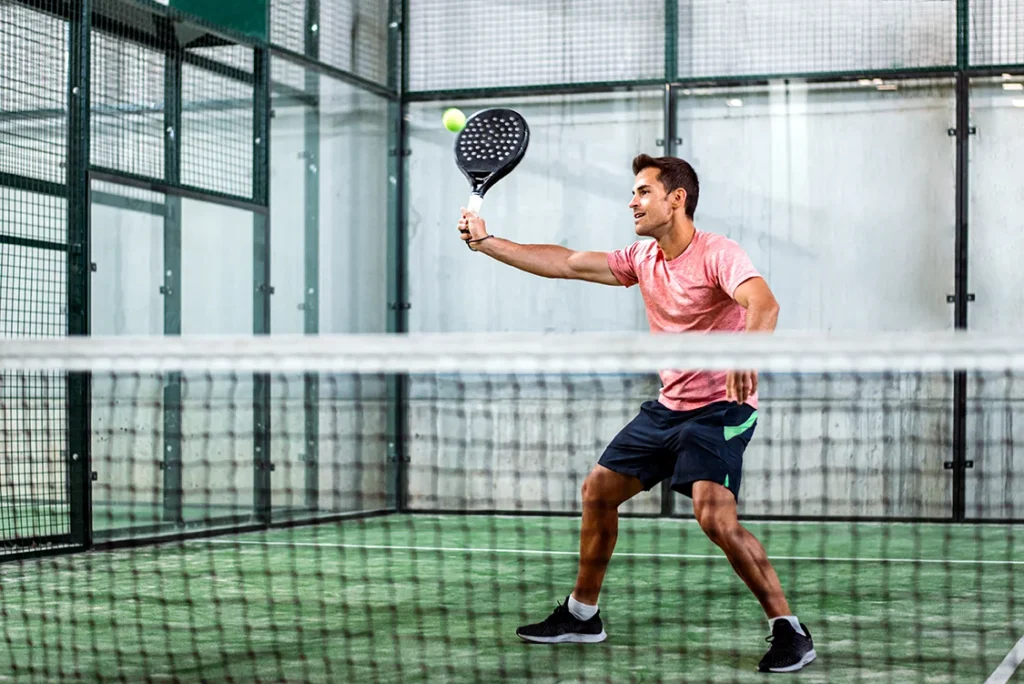
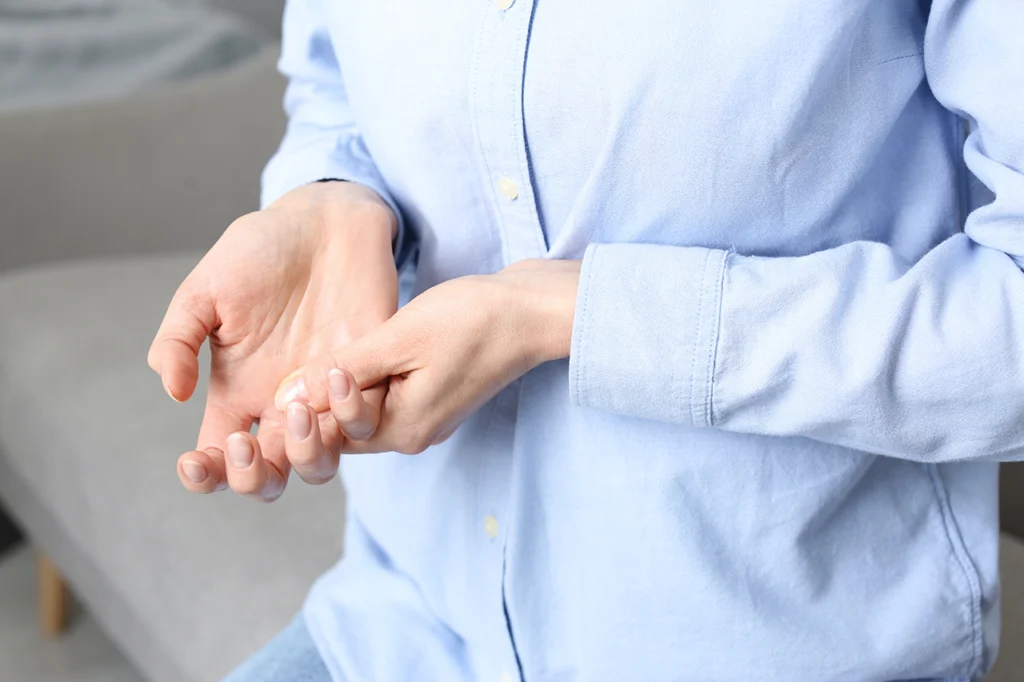
Among athletes’ injuries, we usually focus on the knees, back, or ankles — but small structures like the fingers get worked just as hard, especially in sports that demand continuous gripping and squeezing. That can lead to a condition where the finger catches when you move it, better known as Trigger Finger. This condition isn’t exclusive to housewives or office workers at a computer: athletes who use their bodies repetitively every day are also a high-risk group.
The Mechanism: When the “Pulley” and the “Tendon” Work Against Each Other

Our fingers contain tendons that bend the digits, held against the bone by sheath-like structures called pulleys, which work like a pulley system. When the fingers are used heavily or subjected to repeated impact, the tendon becomes inflamed and develops a nodule, or the sheath thickens until the opening narrows. The result: when you try to straighten the finger, the swollen tendon “catches” on the pulley, causing a jerking snag — like pulling a gun trigger.
Which Athletes Should Be Careful?
Daily training is good discipline, but repetitive strain without proper recovery is the main cause of this condition across many sports:
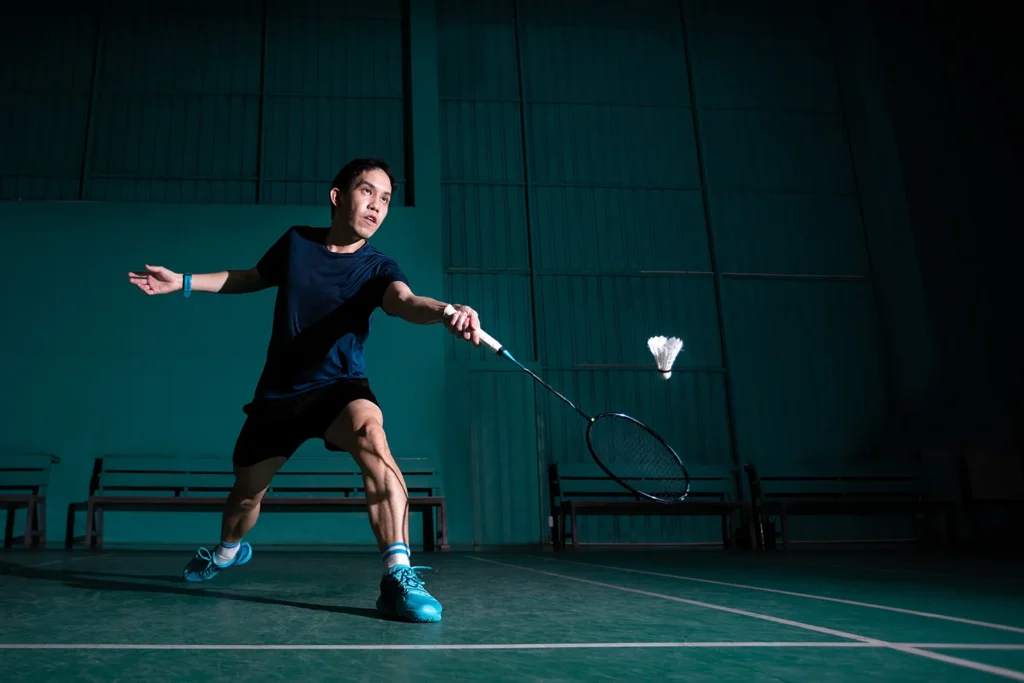
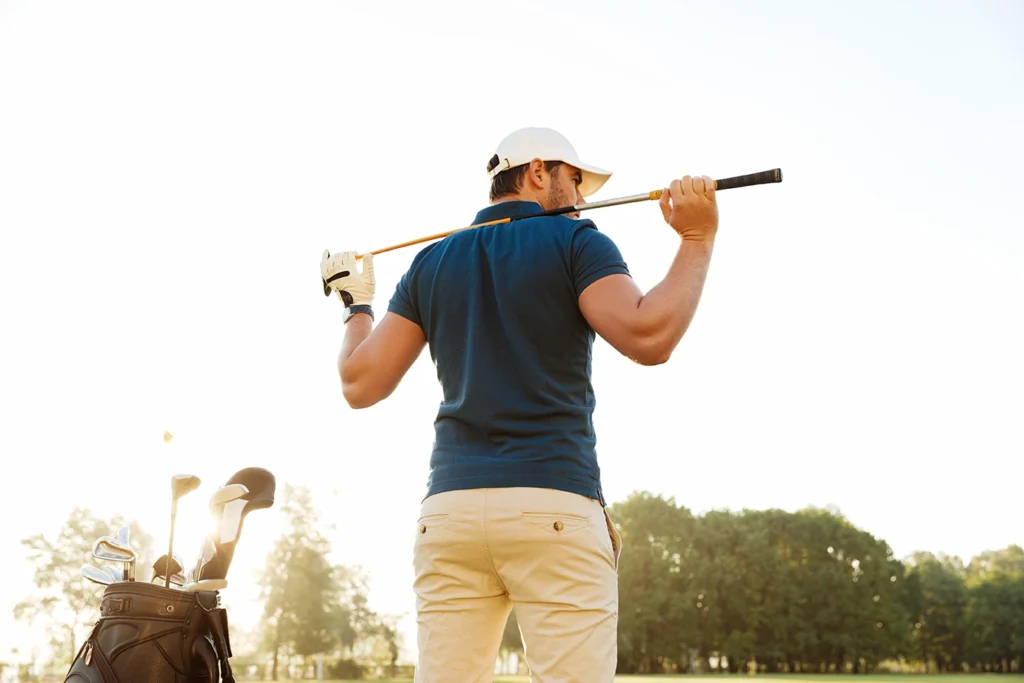
Swing Sports (Golf, Tennis, Badminton)
Gripping the handle too tightly for long periods, combined with vibration at ball impact, drives pressure straight into the base of the fingers.
Rock Climbing
Bearing your full body weight on the fingertips in a “crimp” position puts enormous tension on the pulleys.
Weightlifting
Gripping a heavy bar without hand support gear leads to chronic inflammation of the tissue at the base of the fingers.
Cycling
Repeatedly gripping the handlebars and squeezing the brakes over long distances — especially on rough routes.
Warning Signs: Don’t Wait Until the Finger Locks Up
Trigger finger symptoms progress through 4 stages — and caught early, treatment is much easier:
- Early stage: Pain at the base of the finger (palm side); it is clearly tender to press, but movement is still normal.
- Catching stage: The finger starts to snag or jerk when straightening, but you can still straighten it yourself.
- Locking stage: The finger locks in a bent position and needs the other hand to release or “flick” it straight.
- Stiff stage: The finger stays locked and severely inflamed to the point that it cannot be straightened even with help.
Treatment Approach in Rehabilitation Medicine
The goal is to reduce inflammation and restore smooth tendon gliding:
Activity Modification
Take a break from training that requires hard gripping, or adjust your equipment’s grip size to suit your hand.
Physical Therapy
Ultrasound Therapy or High Power Laser to reduce inflammation, improve flexibility, and reduce tendon adhesions.
Shockwave Therapy
Effectively stimulates repair and breaks down fibrosis in the tendon sheath in chronic cases.
Injection Treatment
If symptoms don’t improve, a targeted, appropriately dosed corticosteroid injection can reduce inflammation quickly — but it shouldn’t be done too often, as it may affect tendon strength in the long term.
Needle Release (A1 Pulley Release)
A newer technique that avoids major surgery: a special needle is used to release and widen the constricting pulley. The wound is the size of an injection puncture and recovery is very fast.
How to Protect Your Fingers for the Long Game
- Warm up the fingers: Before training, slowly make fists and open your hands in warm water, or gently squeeze a soft rubber ball to warm up the tendons.
- Stretching: Stretch the fingers regularly — use your other hand to gently push the fingers back into extension and hold for 10–15 seconds.
- Check your grip: Notice whether you’re gripping equipment tighter than necessary. Gloves with gel support can significantly reduce pressure.
- Listen to your body: If the base of a finger feels tight or painful after training, apply a cold compress immediately to control the early inflammation.
The fingers may be a small part of the body, but losing the function of even one finger visibly reduces your athletic performance. Preventive care and seeing a rehabilitation physician as soon as symptoms appear will save you from a “long layoff” and get you back to enjoying your sport at full capacity. If you have symptoms, come consult our rehabilitation physician at Freesia Rehab Clinic, Rama 3.