As a rehabilitation physician, I often see parents bringing their children in to consult about pain or injuries from serious sports training that started at a young age. Today I’d like to share a medical report from the American Academy of Pediatrics (AAP), published in the journal Pediatrics (February 2024), which updates the guidelines and summarizes the key issues around young athletes. Here it is:
The Core Problem and Where It Came From
Quitting sports at an alarming rate: more than 70% of children in the US choose to give up organized competitive sports by age 13. As a result, over 75% of adolescents fail to get enough physical activity to meet recommended standards.
The main driver is the trend toward “professionalization”: children face pressure to specialize in a single sport from an early age (Sport Specialization), train too hard, and focus on winning above all else. This leads to three major problems: overuse injuries, overtraining, and burnout.
3 Key Conditions to Watch Out For
1) Overuse Injuries
- Cause: Repeated impacts or stress on bones, muscles, or tendons without enough recovery time.
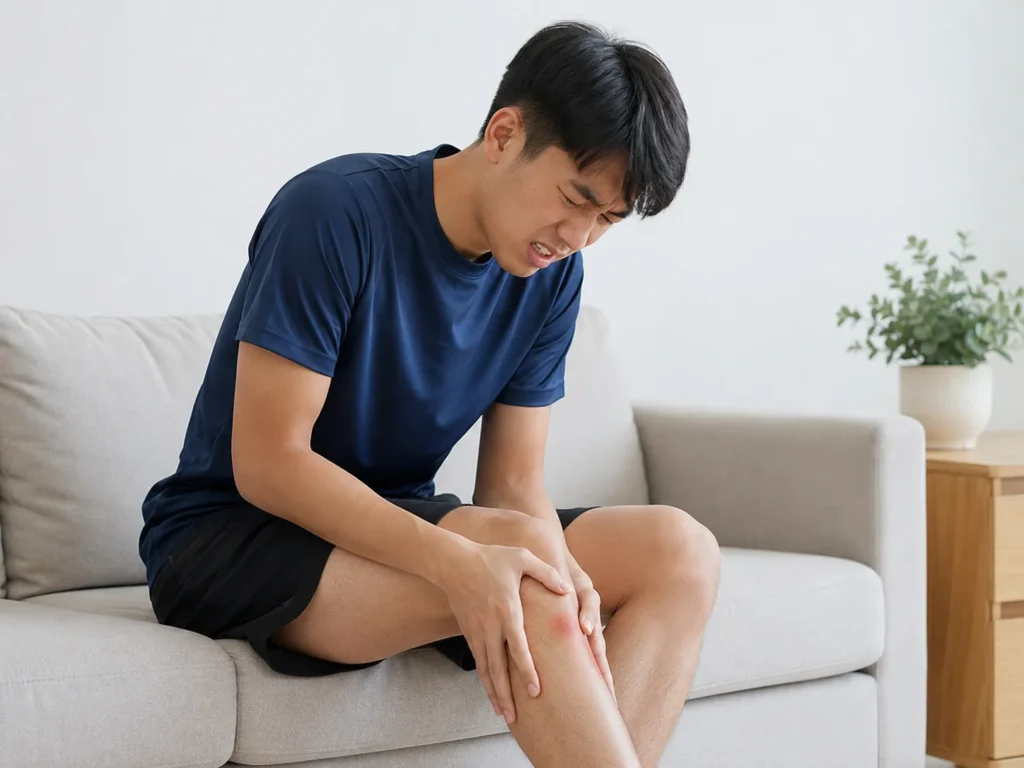
- At-risk group: Children and adolescents are at higher risk than adults because their bones and growth plates (epiphysis/apophysis) are still developing — for example, Osgood-Schlatter disease (knee pain) or Little League Shoulder (a shoulder injury in young baseball players).
- Contributing factors: Playing a single sport repetitively for long periods, especially sports with repetitive motion patterns (such as running or throwing).
2) Overtraining Syndrome
- Cause: Continuously increasing training volume over a long period without adequate recovery.
- Effects: It doesn’t just affect the muscles — it takes a toll on the whole body system, including declining performance, getting sick more easily, and disruption of the endocrine, nervous, and cardiovascular systems.
3) Burnout and Dropping Out of Sports
- Definition: Physical and emotional exhaustion, a feeling of never being good enough, and losing the joy and fun of playing sports.
- Consequences: Children quit sports altogether, which undermines their long-term health as they grow into adulthood.
Recommendations for Families
- Emphasize variety (Multisport Participation): Encourage children to play multiple sports to develop a broad range of movement skills and avoid overusing the same muscle groups.
- Manage training volume appropriately: Schedule at least 1–2 rest days per week with no sports training at all, and include an off-season totaling at least 2–3 months per year so the body and mind can recover.
- Focus on fun and skill development: Parents and coaches should prioritize enjoyment, health, and personal growth over winning or results, especially at a young age.
- Watch for warning signs: Pediatricians and parents should work together to monitor closely for chronic injuries, declining performance, fatigue, or changes in mood.
For any parents who want to support their child’s sports or competition to build physical fitness, please remember: “Sports should be about long-term health and enjoyment.” Don’t rush or overload training to the point of harming a child’s body and mind from an early age. If a young athlete has a training or competition injury that isn’t improving with rest, they can consult a rehabilitation medicine specialist and receive physical therapy at Freesia Rehab Clinic.
References
- American Orthopaedic Society for Sports Medicine. Primary Physeal Injuries in Youth Athletes. STOP Sports Injuries; 2025.
- Brenner JS, Watson A; Council on Sports Medicine and Fitness. Overuse Injuries, Overtraining, and Burnout in Young Athletes. Pediatrics. 2024;153(2). https://doi.org/10.1542/peds.2023-065129