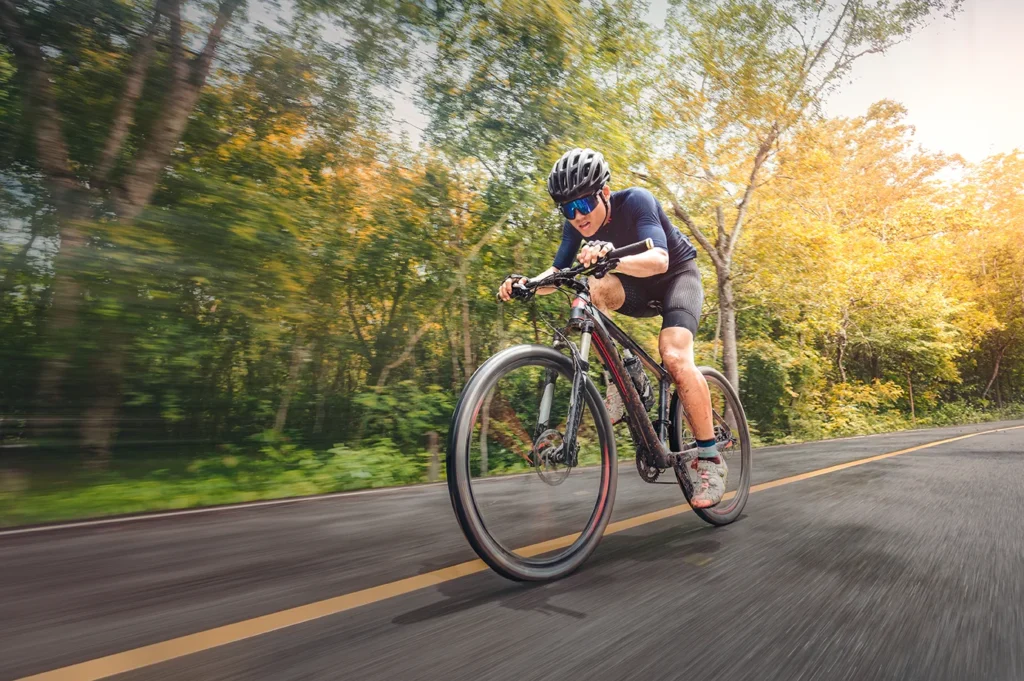
Cycling is a wonderful, joint-friendly activity — it’s low-impact and excellent for building heart and lung strength. But if you’re getting more serious about cycling, these five problems are common among amateur riders and can lead to chronic injuries that force an unfortunate break from training.
Almost all cycling pain doesn’t come from “the sport itself” but from “a poor bike fit” or “a lack of conditioning.” Understanding these causes will let you ride happily and sustainably.

5 Common Pain Problems in Cyclists
1. Knee Pain
The number-one problem in cyclists. The main cause is overuse and incorrect leg positioning — and where it hurts points to the specific problem:
- Front knee pain: usually from a saddle that’s too low or cleats positioned too far forward, overloading the quadriceps.
- Back-of-knee pain: usually from a saddle that’s too high, overextending the knee.
- Pain on the side of the knee: usually from mispositioned cleats twisting the knee while pedaling.
2. Lower Back Pain
Back pain is common when you’re held in a forward-leaning riding position for long periods. The main causes:
- A reach that’s too long or too low, forcing the back into excessive flexion.
- A core that isn’t strong enough, leaving the back muscles to carry the load instead.
- Tight hamstrings, which prevent the pelvis from rotating into the right position.

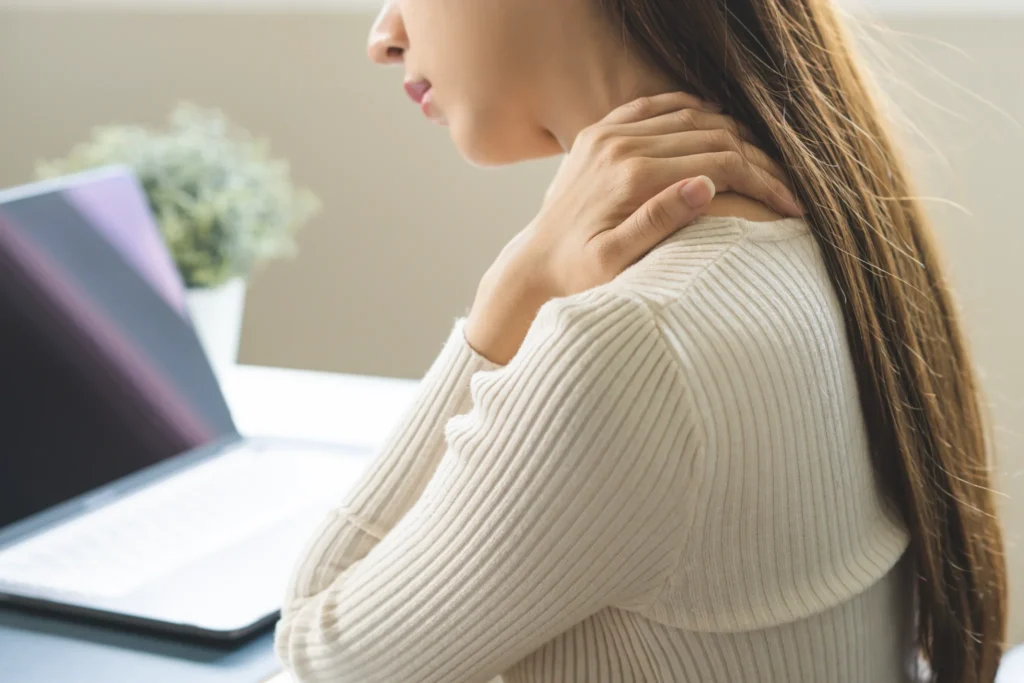
3. Neck and Shoulder Pain
Pain in the neck, trapezius area, and shoulders usually comes from straining to hold the head up to see ahead, or from carrying too much weight on the hands:
- Handlebars that are too low or too far away, forcing the arms to lock out and the neck to overextend.
- Unconsciously tensing the shoulders and elbows.
4. Hand/Wrist Numbness
Numbness, pain, or tingling in the hands is often a sign of nerve compression — particularly the ulnar or median nerve. Causes include:
- Too much body weight resting on the hands (usually the result of handlebars set too low).
- Holding one handlebar position for a long time.
5. Foot Numbness/Hot Spots
Numbness or a burning feeling in the soles, usually caused by repeated pressure on the same spot:
- Mispositioned cleats, especially set too far forward (pressing on the nerves).
- Cycling shoes that are too tight or too loose.
Prevention and Sustainable Pain Management
1. Bike Fit Is Everything
This is the most important thing! Investing in a professional bike fitting adjusts saddle height, reach, and cleat position precisely to your body — reducing unnecessary pressure on the key joints by up to 80%.
2. Strengthen the Key Muscles
Riders need to train off the bike to build a solid base:
- Core strength: planks and Russian twists to support the upper body and take load off the lower back.
- Flexibility: regular stretching of the hamstrings and hip flexors to reduce back pain and improve pedaling efficiency.
3. Technique and Recovery Habits
- Change hand positions often: try to move your grip on the bars every 10–15 minutes to relieve pressure on the nerves.
- Increase distance gradually: never ramp up mileage or training intensity abruptly, or you risk an overuse injury.
First-Line Treatment
- Rest & adjust: as soon as pain appears, cut back your riding and check and adjust your saddle/cleats/handlebars first.
- Ice: for acute pain or localized swelling, such as in the knee, apply ice for 15–20 minutes to reduce inflammation.
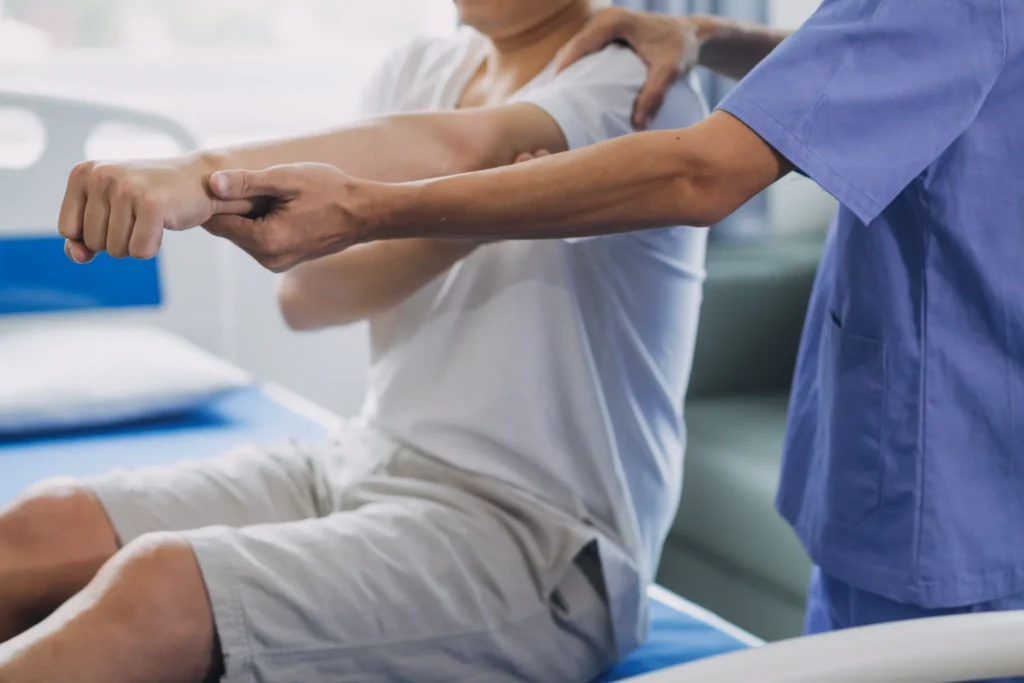
- See a rehabilitation physician: if the pain hasn’t improved within 1–2 weeks, or comes back every time you ride, you should see a doctor to assess structural issues (such as a leg-length difference) and get targeted treatment — such as shockwave therapy on chronically inflamed tendons, or electromagnetic field stimulation for back pain — plus a physical therapy program designed to strengthen the weak muscles.
Cycling shouldn’t hurt. Pay attention to your bike fit and your physical conditioning, and you can enjoy your adventures on two wheels safely.
If you have numbness, severe or persistent pain, or weakness, you can consult a rehabilitation medicine specialist at Freesia Rehab Clinic for a detailed diagnosis and the right treatment.