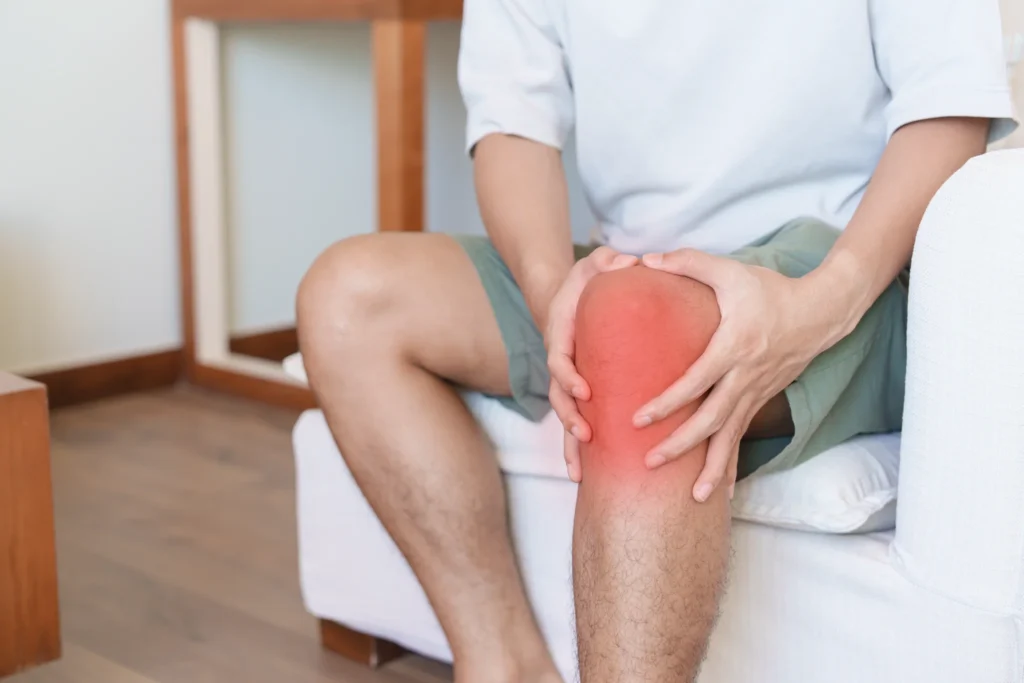
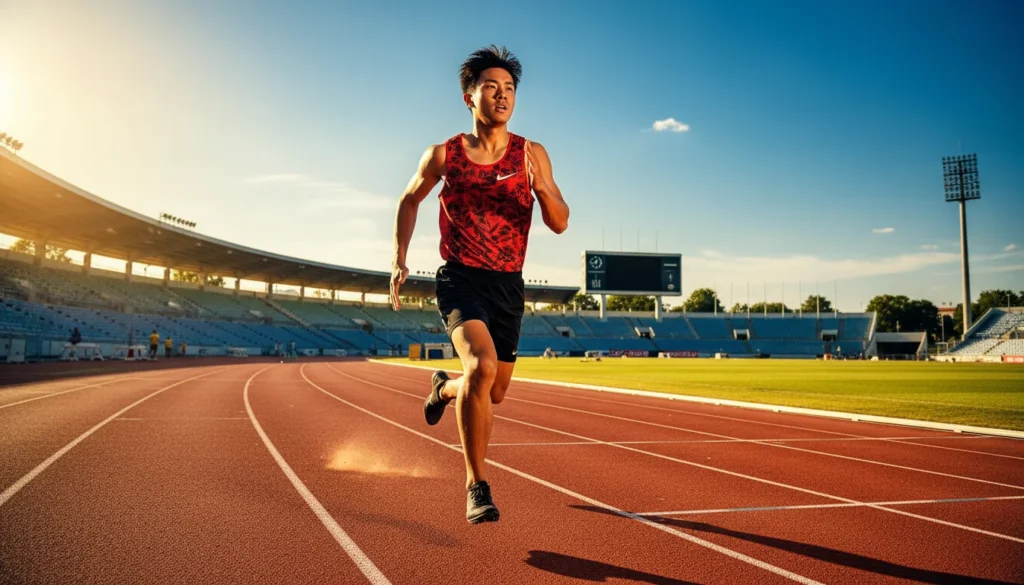
Regular sports participation is a crucial foundation for promoting good physical and mental health in young people. However, the dedication that training and competition demand also comes with the risk of injury. The role of rehabilitation-medicine physicians and physical therapists is therefore essential in caring for young athletes so they grow up strong, perform at their peak, and stay safe from chronic injuries.
When Is Physical Therapy Appropriate for Young Athletes?
Physical therapy isn’t just for the injured — it is highly appropriate for all young athletes, both for prevention and for rehabilitation.
- Injury Prevention: A detailed physical-performance assessment by a physical therapist helps identify weaknesses in strength, flexibility, or abnormal movement patterns that could lead to future injuries. A training program designed to strengthen specific muscle groups and correct posture for each sport reduces the risk of injury.
- Rehabilitation After Injury: When an injury occurs, physical therapy is central to treatment and recovery, enabling athletes to return to their sport quickly and safely — focusing on pain reduction, stimulating tissue repair, and restoring function to the injured area.
Benefits Young Athletes Will Gain
Physical therapy under expert care offers benefits on several fronts:
- Enhanced athletic performance: Building muscle strength and flexibility in a balanced way helps athletes move more efficiently, improving speed, agility, and competitive power.
- Prevention of re-injury: Physical therapy programs teach athletes to understand how their body works and how to move correctly, so they can avoid the same injuries or those caused by physical imbalance.
- Faster and more complete recovery: Appropriate physical-therapy techniques and modalities — such as ultrasound, laser, or manual therapy — reduce pain and swelling in the acute phase and accelerate tissue repair during recovery.
Precautions and Side Effects
Although physical therapy is a highly safe form of treatment, there are precautions and potential side effects that parents and athletes should be aware of:
- The risk of overtraining: Pushing rehabilitation too hard, or training beyond the body’s limits before an injury has fully healed, can cause re-injury or chronic problems.
- Post-training soreness: It is normal for athletes to feel muscle soreness after physical-therapy sessions or rehabilitative exercise. However, if there is acute pain, severe pain, or unusual swelling, the physical therapist should be notified immediately.
- Inconsistent treatment: Not strictly following the treatment plan or the home program recommended by the physical therapist may keep results from matching expectations.
Guidance for Parents of Young Athletes
As a parent, you play an important role in supporting your child:
- Choose a specialist: Consult a rehabilitation-medicine physician or a physical therapist experienced in caring for young athletes, since a child’s body structure is still developing and differs from that of adults.
- Encourage cooperation: Support your child in taking responsibility for their own treatment, following instructions, and communicating openly with the physical therapist about how they feel and any pain.
- Prioritize rest: Adequate rest is a vital part of recovery and performance building. Parents should make sure children get proper rest — not just training.
- Watch for warning signs: If your child has chronic pain, pain that disturbs sleep, or changes in movement patterns, consult a specialist right away. Don’t dismiss minor symptoms, as they can lead to bigger problems.
Rehabilitation and physical therapy are essential to developing a young athlete’s potential — helping them enjoy sports to the fullest, preventing and reducing chronic musculoskeletal injuries, and sustainably boosting physical performance. If you are a young athlete with an injury from training or competition, we recommend consulting a rehabilitation-medicine physician and experienced physical therapists at Freesia Rehab Clinic.