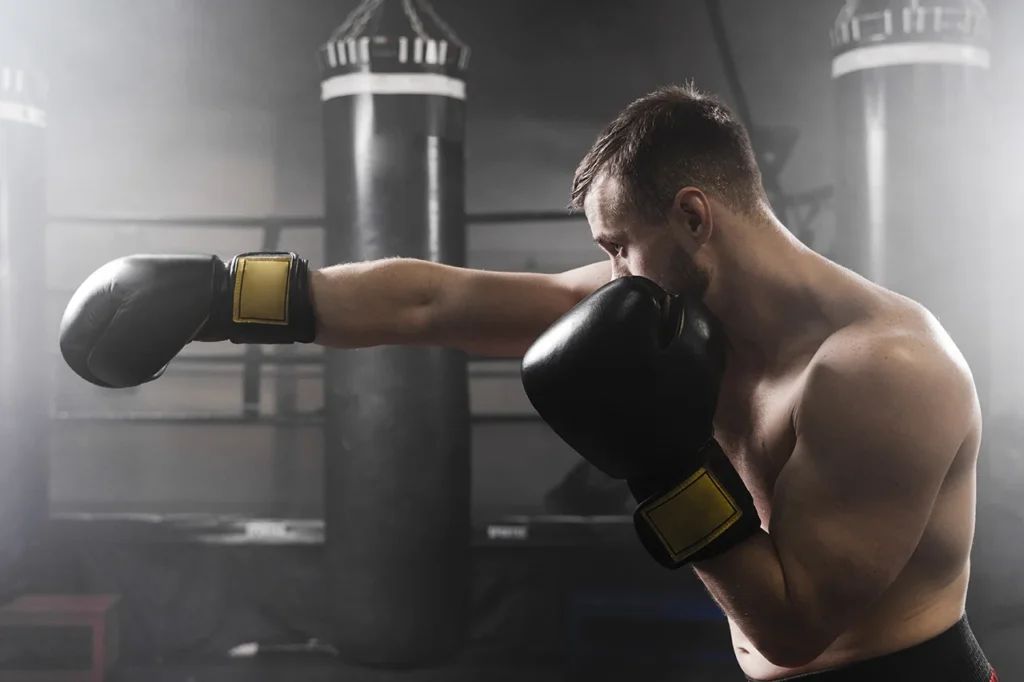
Boxing — whether Muay Thai, Western boxing, or cardio kickboxing — is an excellent form of exercise that builds strength, endurance, and effective weight loss. However, many amateur boxers find themselves dealing with musculoskeletal injuries because of inadequate preparation or poor technique. Understanding these common injuries will help you train continuously and safely.
5 Common Pain Problems in Amateur Boxers
Most of these injuries come from overuse and impact, especially in the areas used for punching and guarding:
1. Wrist and Hand Pain
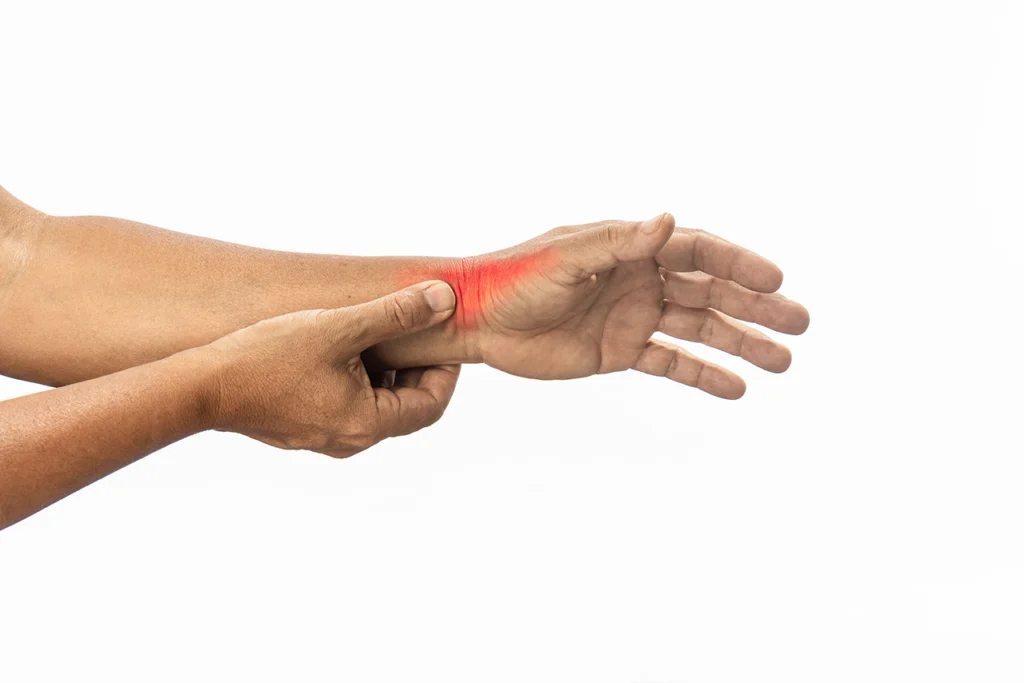
The most common complaint. The main causes are poor punching form or insufficiently tight hand wraps, which let the wrist twist or expose the small bones of the hand to repeated impact. Symptoms are pain and swelling around the wrist or the back of the hand near the knuckles, sometimes with a dull ache when making a fist or punching.
2. Elbow Tendinopathy / Medial Epicondylitis
Less common than wrist problems, but elbow pain can become a chronic issue. Repeated hooks — which require forceful rotation of the arm and a tight fist — inflame the tendons that anchor the muscles on the inner side of the elbow (similar to a golfer’s injury). Symptoms: a dull ache over the inner bony bump of the elbow that worsens when gripping or lifting heavy objects.
3. Shoulder Pain
Repeated straight punches and hooks — especially punches thrown with the arm fully extended — make the shoulder joint work hard and rub easily, leading to tendinitis or injury of the rotator cuff. Symptoms: shoulder pain, particularly when throwing a punch or when sleeping on the affected arm.
4. Lower Back Pain
Good boxing requires trunk rotation to transfer force from the legs to the fist. Rapid, repeated rotation without adequate core strength can cause the lower back muscles to strain or become inflamed. Symptoms: tightness in the lower back, usually worse after training sessions focused on punching or rotation.
5. Ankle/Shin Pain
In Muay Thai, fast kicking and footwork subject the ankles and shins to frequent impact and twisting. Even Western boxers can develop shin pain from overdoing jump-rope training. The most common problems are ankle sprains and shin splints — inflammation of the shin muscles, usually caused by running or jumping rope on surfaces that are too hard.
Injury Prevention for Boxers
Preventing injury in boxing means preparing the joints and muscles used for punching:
1. Take Hand Wrapping Seriously
Correct, secure hand wrapping is the best protection for the wrist and metacarpal bones. Wrap your hands every time before hitting the heavy bag or pads.

2. Strengthen the Forearms and Wrists
Train the forearm extensors and flexors with dumbbells or resistance bands to give the joints stability before you throw punches.
3. Core Training
Work the abdominal and back muscles regularly so your trunk is a stable base for transferring force and to prevent back pain — for example planks, Russian twists, or woodchoppers.
4. Targeted Warm-up
Before training, warm up with dynamic stretches for the shoulders, wrists, elbows, and back to boost blood flow and flexibility before heavy exertion.
5. Proper Technique
Work with your trainer on correct punching, defense, and footwork technique, so that impact forces aren’t concentrated on any single joint.
First-Line Treatment and Rehabilitation
When pain appears, the priority is to stop and assess it, so that a minor injury doesn’t turn chronic:
The R.I.C.E. Principle
For acute pain or swelling, apply Rest, Ice, Compression, and Elevation during the first 24–48 hours.
Active Rest
This doesn’t mean stopping everything — just stop the activities that trigger the pain, such as punching. You can still do other activities that don’t stress the injured area, like easy jogging or cycling.
Symptom-Relieving Medication
Painkillers and non-steroidal anti-inflammatory drugs (NSAIDs) can be used under a doctor’s guidance to reduce pain and inflammation.
Physical Therapy
If wrist, elbow, or shoulder pain hasn’t improved within a week, see a rehabilitation physician or physical therapist promptly. The specialist will assess the true cause and provide appropriate treatments such as high-power laser therapy, focused shockwave therapy, or electromagnetic field stimulation, along with a rehabilitation program focused on stretching, targeted strengthening, and adjusting your exercise technique.
If pain is interfering with your daily life or isn’t improving despite rest, don’t hesitate to consult a rehabilitation medicine specialist. At Freesia Rehab Clinic, we’ll help you return to training with a fully prepared body — so you can enjoy the appeal of combat sports for a long time to come.