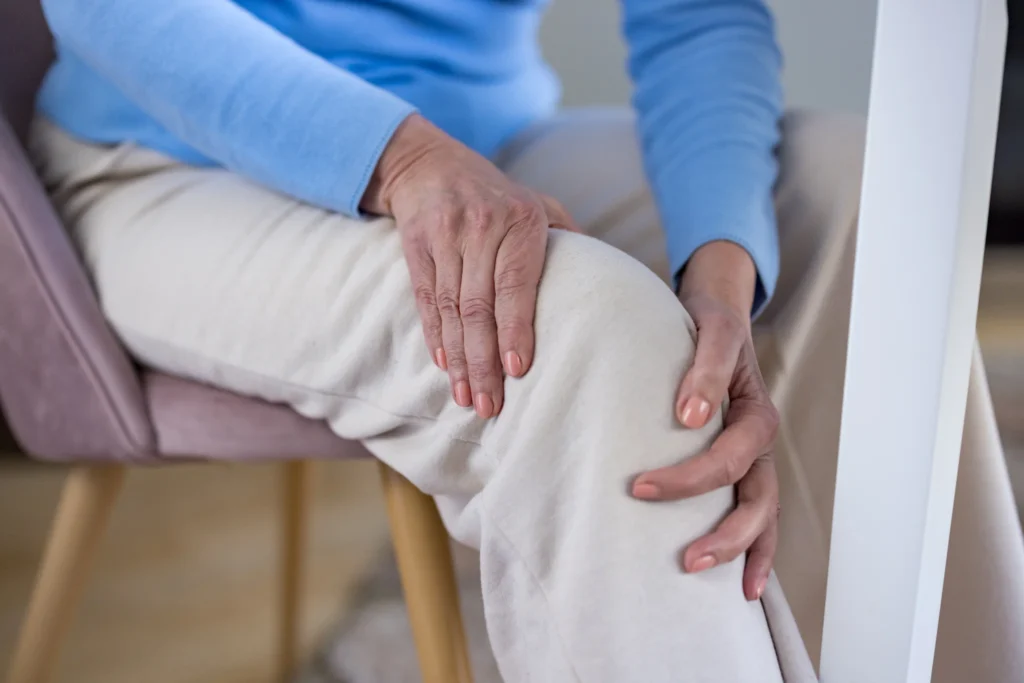
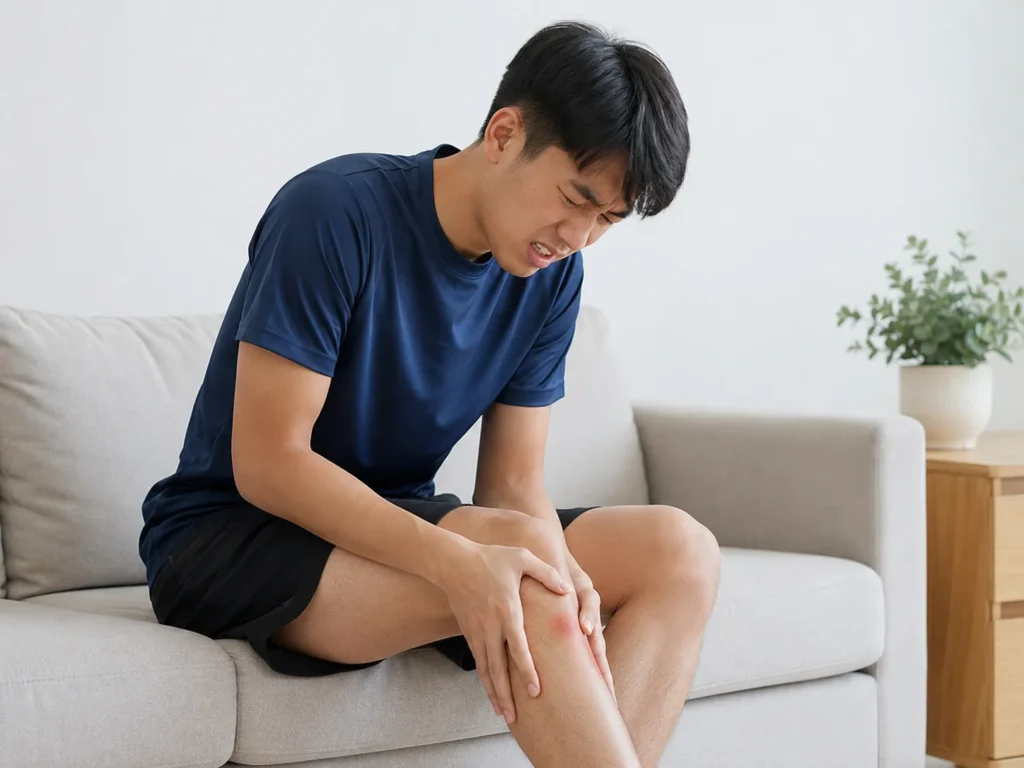
“Doctor, my son is on the school basketball team, and lately he complains of shin pain just below the knee every time he runs or jumps — but the pain goes away when he stops playing.” This is a question I hear often from parents of children aged 10–15 who are entering a growth spurt, and it often leads to a diagnosis of a condition called apophysitis.
What Is Apophysitis?
Apophysitis is inflammation of the cartilage where a muscle tendon attaches — a growth point found only in children. The two most common forms are:
- Osgood-Schlatter Disease, just below the knee on the shin, caused by repeated pulling of the patellar tendon.
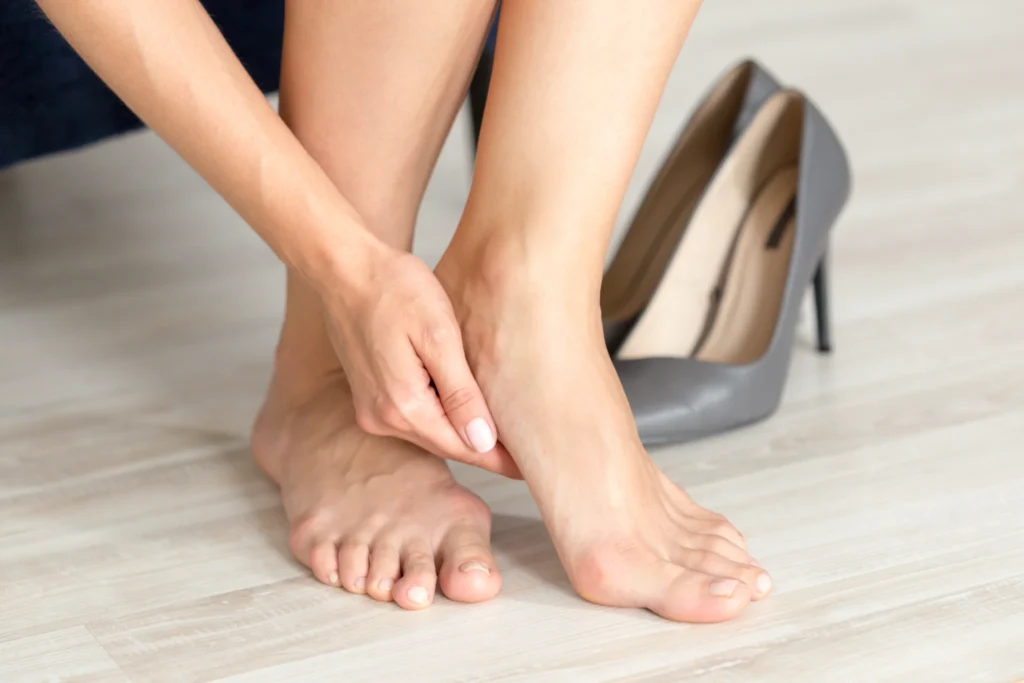
- Sever’s Disease, at the heel, caused by repeated pulling of the Achilles tendon.
Both conditions share the same mechanism: repeated traction from muscles that are growing ever stronger acting on cartilage growth points that are not yet as resilient as an adult’s.
According to information from Nationwide Children’s Hospital and a review article in PMC, “Apophysitis of the Tibial Tuberosity,” this condition is not a serious disease, and in most cases it resolves on its own once the bone finishes growing. The danger lies in “playing through the pain” — Nationwide Children’s Hospital titled its article exactly that: “Why Children Shouldn’t Play Through Pain.” Pushing through the pain allows the inflammation to accumulate and worsen, and some children end up having to stop playing sports far longer than necessary if they don’t receive proper care from the start.
The internationally standard treatment approach always begins conservatively — without surgery: resting or modifying activities that provoke symptoms, such as running and jumping; applying cold compresses to reduce pain and swelling; properly stretching the muscles at the front and back of the thigh; and strength training to rebalance the muscles around the joint. Anti-inflammatory medication may be used to reduce pain and inflammation, along with supportive bracing to help stabilize and rest the area.
The Question Parents Ask Most: “How Many Days Should My Child Stop Playing?”
There’s no fixed number — it depends on the severity of the symptoms and the sport involved. From my perspective as a doctor, caring for a child with this condition isn’t about telling them to quit sports; it’s about helping adjust their training program to fit a body that is still changing — temporarily reducing the activities that provoke symptoms, and returning to the field step by step — so your child can keep enjoying the sport they love without risking long-term problems.
If your child has clearly localized pain related to sports during a growth spurt, come consult a rehabilitation medicine specialist at Freesia Rehab Clinic to rule out more serious conditions and plan a rehabilitation program with an experienced physical therapist.
Written by Dr. Suda Phiphatpanakit, Rehabilitation Medicine Specialist, Freesia Rehab Clinic
References:
- Nationwide Children’s Hospital. Apophysitis: Why Children Shouldn’t Play Through Pain.
- Vaishya R, Azizi AT, Agarwal AK, Vijay V. Apophysitis of the Tibial Tuberosity (Osgood-Schlatter Disease): A Review. Cureus. 2016;8(9). https://doi.org/10.7759/cureus.780
- Pediatric Orthopaedic Society of North America. Osgood-Schlatter. POSNA Study Guide.
- Brenner JS, Watson A; Council on Sports Medicine and Fitness. Overuse Injuries, Overtraining, and Burnout in Young Athletes. Pediatrics. 2024;153(2). https://doi.org/10.1542/peds.2023-065129