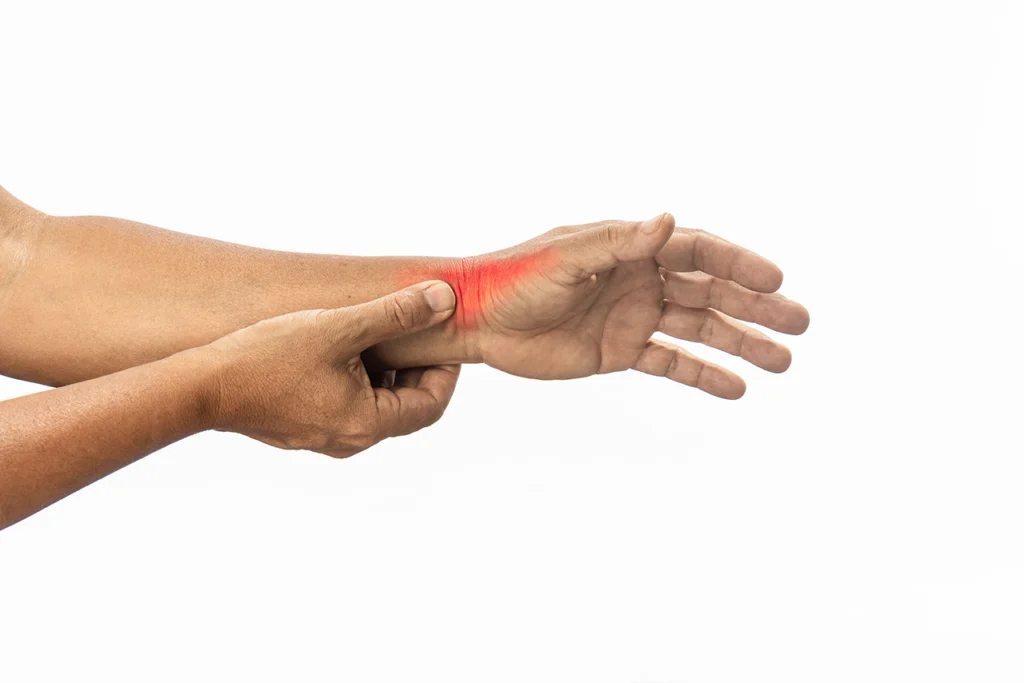

As a rehabilitation medicine physician specializing in the musculoskeletal and nervous systems, patients constantly ask me: “That cracking sound in my joints — my knuckles, my elbows, even my neck — the ones I love to crack myself all the time, what is that sound? And is it harmful to my health in the long term?”
Let’s understand the science behind these sounds together.
1. What Is That “Knuckle-Cracking” Sound?
The “crack” you hear when you crack your joints — such as your knuckles or spinal joints — mostly comes from three main mechanisms:
- Cavitation and gas bubble formation: This is the most widely accepted theory, especially for the knuckles and joints containing synovial fluid. Synovial fluid lubricates the joint and contains dissolved gas. When you pull or stretch a joint quickly, the space inside the joint widens and the internal pressure drops suddenly, causing those gases to gather and rapidly form tiny gas bubbles (cavitation). The “crack” is the sound produced during this process.
- Tendon or muscle snapping: In larger joints like the knee or shoulder, cracking may come from a tendon or ligament moving rapidly over a bony bump or prominence as you move or twist.
- Degenerated joint surfaces grinding: In older adults or people with degenerative joint problems, frequent “grating” sounds (crepitus) — usually accompanied by pain — may be the sound of worn cartilage surfaces rubbing against each other.
2. What Are the Pros and Cons of Cracking Your Own Joints?
The Benefits (Personal Sensation)
- A feeling of looseness and relief: Many people report feeling looser and more comfortable afterward — released tension around the joint, or a sense that the joint moves more freely after cracking.
- Pressure release: This sensation may come from relaxing the muscles around the joint, or from the joint moving through its full range of motion.
The Downsides and Risks to Watch For
- Joint laxity: Cracking your own joints repeatedly — especially with strong twisting or pulling forces — may stretch the joint capsule and ligaments so often that joint laxity develops, which can reduce joint stability.
- Joint inflammation: Cracking or twisting a joint too forcefully, particularly the finger joints, may cause inflammation or minor injury to the tissues around the joint.
- The arthritis belief: Most research has found no direct link between regularly cracking your knuckles and developing osteoarthritis in the long term. However, in people who already have degenerative joint disease, cracking the joints may worsen symptoms.
3. Precautions from a Rehabilitation Physician
Cracking your own joints is mostly harmless for healthy people. But pay special attention and consult a doctor promptly if you notice these warning signs:
- Pain every time you crack: If the “cracking” or “grating” sound is regularly accompanied by pain, swelling, redness, or warmth, that is not normal. It may indicate an internal structural problem such as arthritis or a hidden injury.
- Very frequent spontaneous cracking with stiffness: If your joints crack often and spontaneously — without you intending to — together with tightness, locking, or limited movement, that’s a sign you may have degenerative joint disease that is worsening, or another underlying pathology.
- Self-cracking your neck or back: Forcefully cracking or twisting your own neck and spine is extremely dangerous, because of the risk of injury to the nerves — and in the case of the neck, the blood vessels — which can have serious consequences. If you have neck or back tightness or pain, you should be treated only by professionals trained in joint manipulation, such as rehabilitation physicians or physical therapists.
If your joints feel stiff or tight, use stretching or exercises to strengthen the muscles around the joint instead of cracking them yourself — a far safer approach with long-term benefits. If you regularly have joint or muscle pain, you can consult a rehabilitation medicine specialist for examination, assessment, diagnosis, and physical therapy on an appropriate program at Freesia Rehab Clinic.