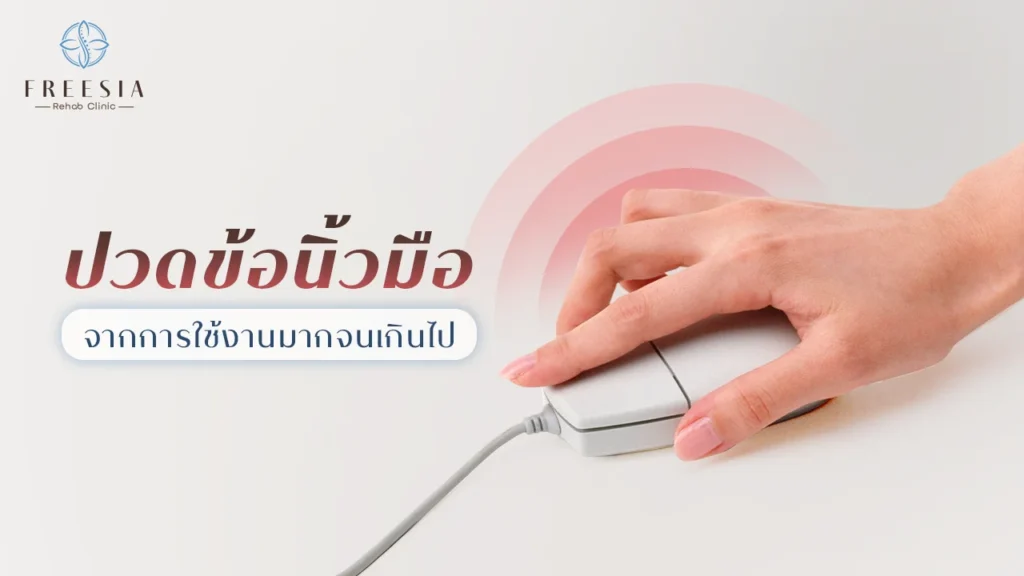
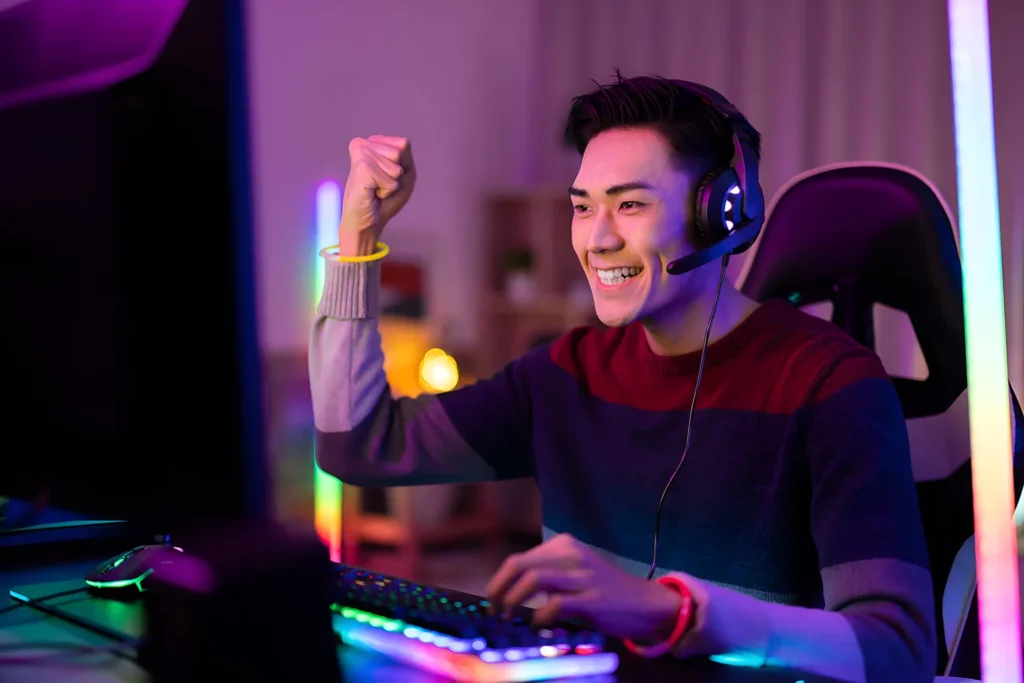
E-Sports has become a global phenomenon with a massive following. It’s not just gaming — it’s a competition demanding elite skill, precision, and focus. But sitting and playing for long stretches, repeating the same movements, and holding poor postures can lead to musculoskeletal health problems just like in conventional athletes.
The core problems for e-sports athletes are repetitive strain and poor posture, which affect the upper-body nervous and muscular systems — especially the fingers, wrists, neck, and back. Understanding these conditions is essential if you want to train and compete sustainably.
The 5 Pains E-Sports Athletes Commonly Face
1. Carpal Tunnel Syndrome (CTS)
The most common condition. It’s caused by repeatedly flexing or extending the wrist and holding the wrist in awkward positions while using a mouse or keyboard, compressing the median nerve as it passes through the carpal tunnel. Symptoms: numbness and tingling in the hand and fingers — especially the thumb, index, and middle fingers — possibly with sharp wrist pain, and it typically worsens at night or after repeated hand use.
2. Trigger Finger / Tenosynovitis
Repeatedly clicking the mouse, or continuously pressing keys on a keyboard or controller with sustained finger flexion and force, inflames the tendon sheath in the fingers. Symptoms: pain at the base of the finger, or a catching, locking sensation when extending the fingers or making a fist — usually in the hand that mainly works the mouse.
3. Neck and Shoulder Pain
Caused by a forward head posture, or by hunching the shoulders to support the arms while controlling the mouse for hours. This bad posture chronically tightens and shortens the neck and shoulder muscles such as the upper trapezius. Symptoms: tightness and pain in the neck, shoulders, and upper back, often accompanied by headaches.
4. Upper and Mid-Back Pain
Slouching while sitting, or sitting in a chair that doesn’t properly support the upper back, is a main cause of tension in the muscles and joints of the thoracic spine. Symptoms: a dull ache between the shoulder blades or in the mid-back, typically worse after sitting for a long time.
5. Lower Back Pain
Even though it may seem unrelated, sitting motionless for long periods without moving, combined with a chair lacking adequate lumbar support, fatigues the spinal structures and muscles. Symptoms: tightness and pain in the lower back, often occurring alongside a weak core.
Prevention and Rehabilitation for a Long-Lasting Career
Prevention in e-sports hinges on ergonomics and changing the way you sit.
1. Ergonomic Setup
- Chair: use a suitable chair with armrests and lumbar support so your back stays in its natural upright position.
- Screen: place the screen at eye level (or slightly below) so you don’t have to bend or tilt your neck.
- Wrists: keep your wrists in a neutral position, not bent up or down. Use a wrist rest, and move the mouse with your whole forearm.
2. Stretching and Exercises
- Take regular breaks: follow the 20-20-20 rule: every 20 minutes of play, take 20 seconds to look at something 20 feet (about 6 meters) away.
- Stretch: stretch your neck, shoulders, arms, and wrists regularly during breaks.
- Build strength: strengthen your core muscles and back muscles to help you hold a good posture while sitting.
Early Treatment and Rehabilitation
- Fix your posture before treatment: if you have chronic pain, the first step is to correct how you sit and set up your desk and chair ergonomically.
- Manage the symptoms: if the pain is mild, a warm compress can relax the affected muscles, or you can use over-the-counter pain relievers, non-steroidal anti-inflammatory drugs (NSAIDs), and muscle relaxants.
- Physical therapy: if the hand numbness (CTS) or the pain is chronic or severe, consult a rehabilitation medicine physician for a diagnosis and targeted treatment. This may include support devices such as a wrist splint worn at night, or an exercise-based rehabilitation program that strengthens weak muscles and releases tight ones.
Never shrug off minor aches! Keeping your body in playing condition is the key to a successful e-sports career. If you have severe numbness, pain that disrupts your sleep, or pain that doesn’t improve with rest, you can consult a rehabilitation medicine specialist at Freesia Rehab Clinic for an examination, diagnosis, and treatment that targets the real problem.