Your favourite shoes may be the pair that feels familiar, matches your outfit, or simply seems comfortable enough to wear. But being able to wear a pair of shoes does not necessarily mean they are the right fit for your feet, especially if you spend long periods walking or standing.
Studies have found that many people wear shoes that do not properly match the length or width of their feet. Poorly fitting footwear has also been associated with foot pain and conditions such as corns, calluses, and toe deformities.
Before foot pain becomes a bigger problem, check these 5 signs that your favourite shoes may not be the right fit.
1. Your Toes Feel Cramped or Hit the Front of the Shoe
If your toes feel squeezed together or repeatedly hit the front of the shoe, it may be a sign that the shoes are too short or too narrow.
A well-fitting shoe should give your toes enough room to move without excessive pressure or compression. Regularly wearing shoes that are narrower than the natural shape of your feet has been associated with foot pain and other foot problems.
2. You Notice Red Marks, Blisters, or Calluses After Wearing Them
After taking off your shoes, check whether you notice redness, pressure marks, blisters, or areas of thickened skin around the toes, heels, or sides of your feet.
If these signs appear repeatedly, they may indicate that certain areas of the shoe are creating too much friction or pressure.
Ideally, shoes should fit well in both length and width and feel secure around the heel without rubbing or causing irritation.
3. Your Soles or Heels Start Hurting After Walking for a While
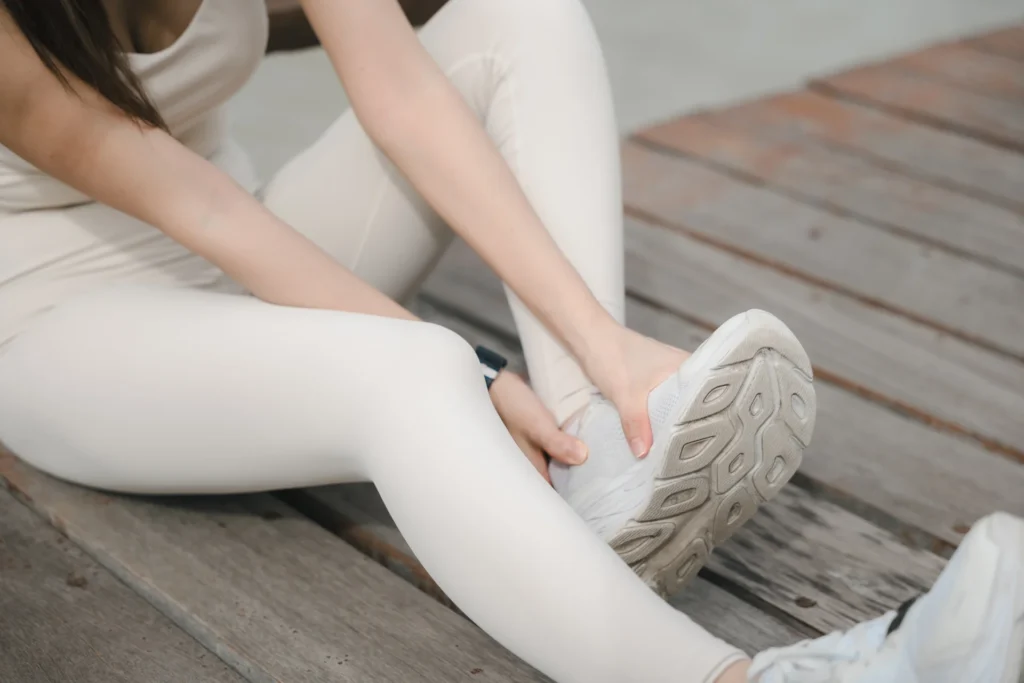
Your shoes may feel fine at first, but if pain begins to develop in the sole, heel, or forefoot after prolonged walking or standing, it is worth paying attention to.
Foot pain can be influenced by several factors, including walking pattern, activity level, and the type of footwear you use. This is why shoes should be chosen according to the activity you are doing rather than relying on the same pair for every situation.
4. You Have to “Grip” With Your Toes to Keep Your Shoes From Slipping Off
Some people wear shoes that are too loose, particularly slip-on styles, and unconsciously curl or tense their toes to keep the shoes in place.
Choosing shoes with an appropriate fastening system, such as laces or straps, can help secure the shoe more effectively without requiring your toes to stay tense throughout the day.
5. The Shoes Look Great, but Feel Uncomfortable From the Start
If a pair of shoes feels tight, presses against your feet, or causes rubbing as soon as you try them on, do not assume that you simply need to “break them in.”
Shoes that fit properly should generally feel comfortable and supportive from the beginning rather than requiring a long adjustment period before they stop hurting.
Good Shoes Do Not Have to Be Expensive, but They Should Fit Your Feet
Choosing the right shoes is not only about appearance or personal style. It is also important to consider whether the shoes match the length, width, and shape of your feet, as well as whether they are suitable for the activities you plan to do.
Well-fitting footwear may help reduce pressure and discomfort, while poorly fitting shoes can contribute to foot problems and make existing symptoms worse.
If you regularly experience pain in the sole of the foot, heel pain, or ongoing foot discomfort that begins to interfere with walking or daily activities, simply changing your shoes and waiting for the symptoms to improve may not be enough.
Foot pain can have many different causes. An assessment by a doctor or physiotherapist can help identify contributing factors and determine a more appropriate management plan.
At Freesia Rehab Clinic, we provide assessment and physiotherapy services to identify possible causes of foot pain and support movement rehabilitation based on each individual’s needs, helping you return to walking and everyday activities with greater comfort and confidence.
References
- Buldt AK, Menz HB. Incorrectly fitted footwear, foot pain and foot disorders: a systematic search and narrative review of the literature. Journal of Foot and Ankle Research. 2018.
- Branthwaite H, Chockalingam N. Everyday footwear: An overview of what we know and what we should know on ill-fitting footwear and associated pain and pathology. Foot. 2019.
- Guy’s and St Thomas’ NHS Foundation Trust. Choosing shoes to reduce foot pain. Reviewed April 2025.