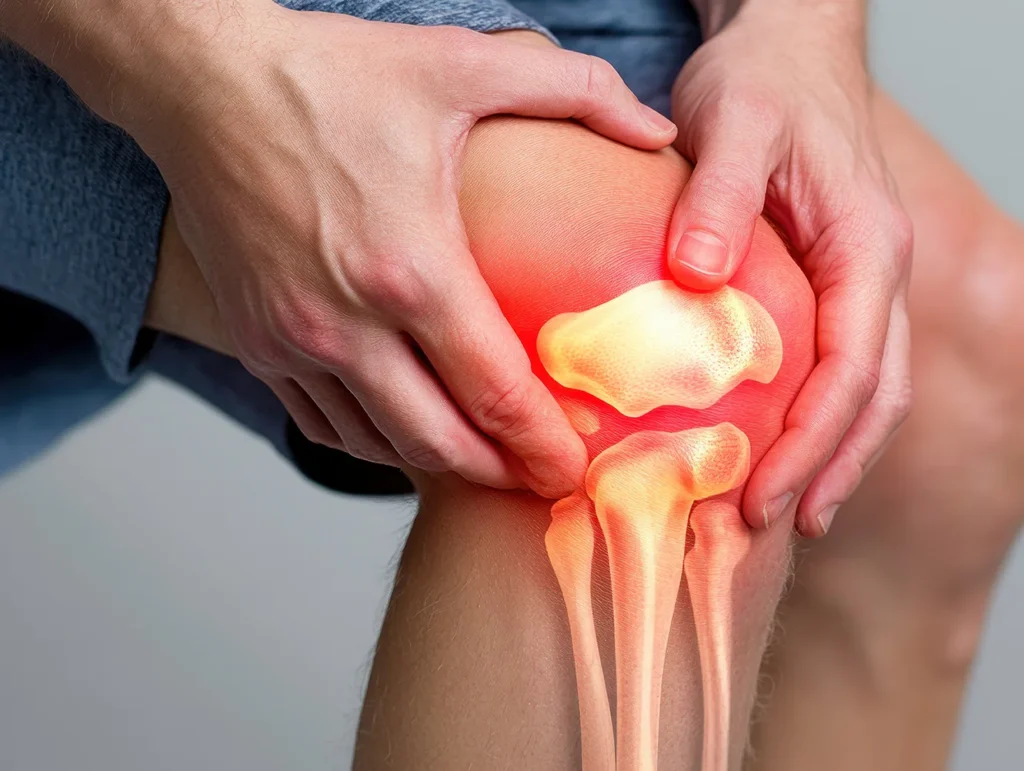
Patients with pain on the outside of the elbow often mistakenly assume it’s just ordinary “soreness” or “overuse.” In reality, this pain may be a sign of lateral epicondylitis — better known as “Tennis Elbow.” Despite the name, the condition is not limited to tennis players.
What Causes the Pain?
Lateral epicondylitis results from repeated tiny injuries at the attachment point of the muscles and tendons used to extend (bend back) the wrist and fingers — located right at the bony bump on the outer side of the elbow. Repetitive use such as typing, holding a computer mouse for long periods, wringing laundry, mechanical work requiring repeated twisting force, or even certain sports like tennis, badminton, and golf can all cause these micro-injuries to accumulate until the tendon becomes inflamed and degenerated.
Warning Signs: Symptoms You Should Know
Patients usually first notice pain at the bony bump on the outer elbow, which may radiate down the forearm or up toward the upper arm. The pain typically worsens when using the muscles in that area, such as:
- Twisting the wrist, e.g. turning a doorknob, wringing out clothes.
- Gripping or squeezing, e.g. lifting a glass of water, carrying heavy objects.
- Extending the wrist upward or tensing the forearm muscles.
- Possible weakness when gripping or squeezing.
In some cases, the pain can be severe enough to interfere with daily life and work.

Prevention Starts with You
Prevention matters most. Try adjusting your daily habits to reduce the load on your elbow:
- Adjust your posture: For work or activities involving the wrist and arm, use proper positioning — for example, an ergonomically set-up keyboard and mouse.
- Take periodic breaks: If your activity involves repetitive arm use, stop and rest at intervals so the muscles and tendons can relax.
- Use assistive devices: Consider supports such as a wrist pad for the keyboard/mouse, or an elbow strap for athletes, to reduce the force on the tendon.
- Warm up and stretch: Before and after arm-intensive activities, warm up and stretch the forearm muscles regularly.
Basic Self-Care Treatment
When pain appears, the first step is to rest that arm. Apply cold compresses to the painful area to reduce inflammation. Non-steroidal anti-inflammatory drugs (NSAIDs) can be used to relieve symptoms. If symptoms don’t improve — or get worse — see a doctor.
Taking It Further with Focus Shockwave Therapy
For more advanced treatment, Focus Shockwave Therapy is another effective option backed by solid research. It works by delivering targeted, high-energy, high-frequency sound waves to the injured area, stimulating the body’s self-repair, reducing inflammation and pain, and promoting the formation of new blood vessels that deliver better nourishment to the degenerated tendon.

Multiple studies have demonstrated the effectiveness of Focus Shockwave for lateral epicondylitis — for example, studies published in The American Journal of Sports Medicine and the Journal of Bone and Joint Surgery found that patients treated with Focus Shockwave had significantly reduced pain and better recovery compared with conventional treatment, especially in chronic cases that didn’t respond to other treatments. The procedure is usually performed by a specialist physician using specialized equipment, typically as a course of about 3–5 sessions, depending on the severity of symptoms.
If you have pain on the outside of your elbow and aren’t sure what’s causing it — or your initial treatment hasn’t helped — don’t hesitate to consult a rehabilitation medicine specialist for an accurate diagnosis and the most appropriate treatment plan, at Freesia Rehab Clinic, Rama 3, so you can get back to living life your way.