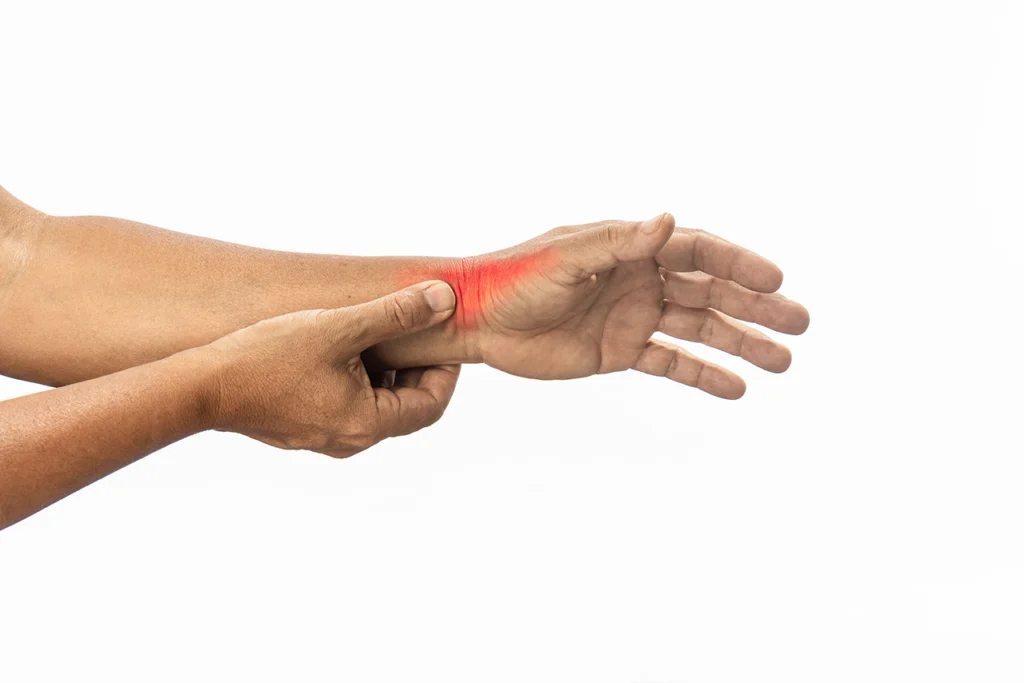
As a rehabilitation physician, I often see patients with chronic pain in places that are hard to pinpoint, or pain that never fully goes away despite medication and treatment. One culprit that is frequently overlooked is the fascia. Fascia is like an extraordinary spiderweb woven throughout the entire body, connecting everything from head to toe, and it plays a major role in movement, flexibility — and, importantly, pain, particularly in the condition known as Myofascial Pain Syndrome.
What Is Fascia?
Picture fascia as the “plastic wrap around food” that encloses every muscle, bone, organ, nerve, and blood vessel in the body. It’s not just a thin membrane — it’s a highly resilient, elastic connective tissue made up mainly of collagen and elastin. Fascia serves to:

- Support and hold structures in place: It helps maintain the shape and position of the organs.
- Serve as a pathway for nutrients and waste: It assists the circulation of fluids throughout the body.
- Transmit sensation: It contains a large number of sensory nerves, letting us feel pain, tightness, and the position of our body.
What Happens When Fascia Gets Tight?
Healthy, supple fascia lets the body move smoothly. But when fascia is injured, inflamed, or repeatedly used in incorrect postures — such as sitting at a computer for hours, lifting with poor form, or even stress — it can become thickened, tight, and contracted. This leads to a problem called Myofascial Pain Syndrome (MPS).
MPS is a condition in which the muscles and fascia develop localized painful spots known as trigger points. Pressing on one produces significant pain, and the pain may radiate to other areas of the body — a trigger point in the neck, for instance, can send pain up into the temples, while one in the back can refer pain down the leg. These symptoms tend to be chronic and degrade quality of life.

How Can You Take Care of Yourself Day to Day?
Keeping the fascia supple is absolutely central to preventing and easing pain:
- Stretching: Regular daily stretching of the muscles and fascia improves flexibility and reduces tightness.
- Movement: Don’t stay in one position for too long. Get up, walk around, and stretch periodically — especially if you work at a desk.
- Self-Myofascial Release: Using a small ball (like a tennis ball or a massage ball), gently roll and press into tight or tender spots and hold for 30–60 seconds to release fascial knots.
- Heat and cold: Warm compresses help relax tight muscles and fascia, while cold compresses reduce acute inflammation.
- Stress management: Stress makes muscles tense and the fascia tighten up easily, so relaxation is essential.
When Symptoms Don’t Improve: Physiotherapy-Based Treatment
If the pain persists and interferes with daily life, a rehabilitation physician can provide more targeted treatment using physiotherapy modalities backed by research:
- Myofascial Release Technique: A hands-on technique delivered by physical therapists that applies pressure and stretching directly to the fascia to release tension and contracted tissue.
- Therapeutic Ultrasound: Helps reduce inflammation and increase blood flow in the tissues.
- High-Intensity Laser Therapy (HIL): Multiple studies, including those published in Lasers in Medical Science and Clinical Rehabilitation, show that HIL reduces inflammation, relieves pain, and stimulates tissue repair — especially in Myofascial Pain Syndrome.
- Shockwave Therapy: In particular, Focus Shockwave can deliver energy precisely to trigger points in the fascia and muscle, breaking down thickened fascia, stimulating repair, and reducing pain. Studies in the Journal of Physical Therapy Science and Pain Physician support using shockwave for Myofascial Pain Syndrome that doesn’t respond to other treatments.
- Dry Needling or Trigger Point Injection: Physician-administered treatments that release severe, chronic trigger points using dry needling techniques.

The fascia is an important part of the body that many people overlook, yet it plays a major role in pain. If you have chronic pain with no identifiable cause, or pain that treatment never fully resolves, understanding and properly caring for your fascia — together with consulting a rehabilitation physician at Freesia Rehab Clinic, Rama 3 — for the right treatment can help you get back to living comfortably again.