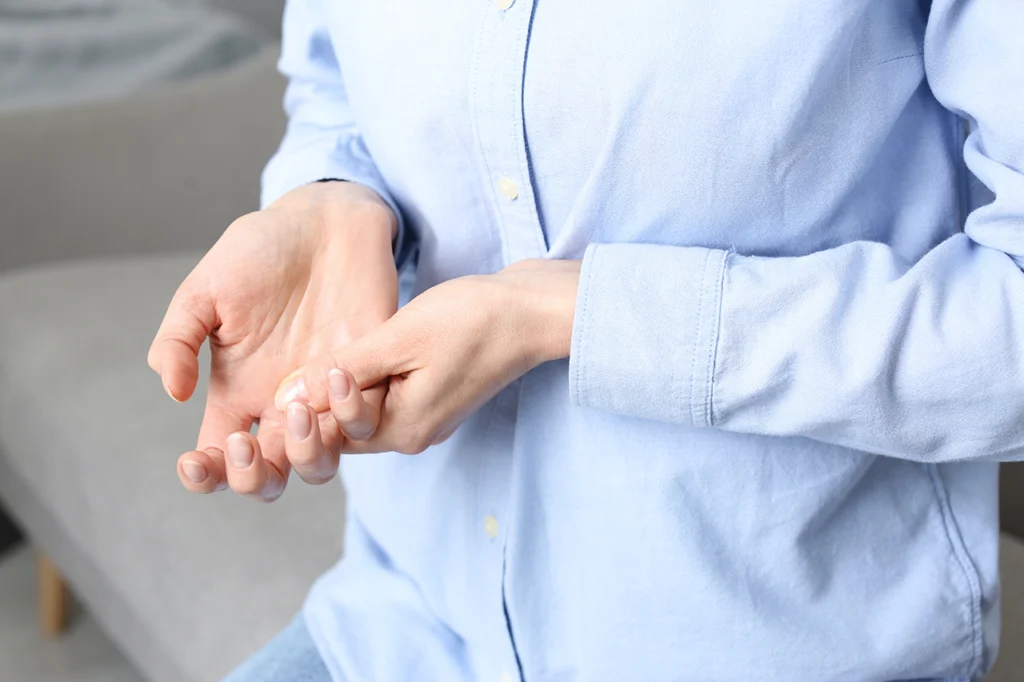
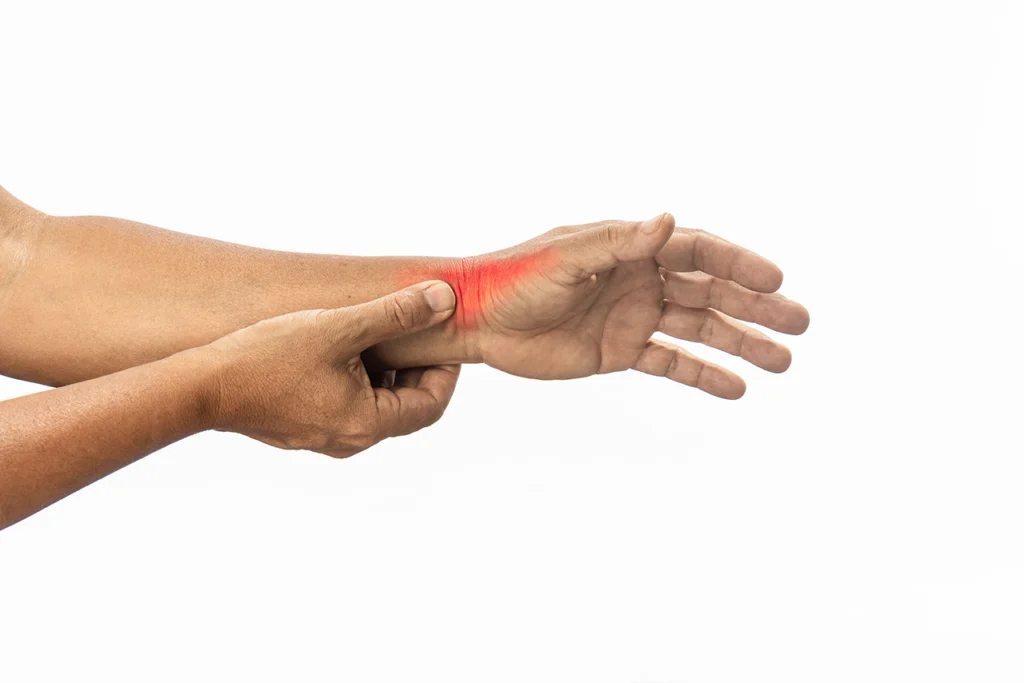
Next time you spread your thumb to grip a racket, flick your wrist on a badminton smash, or even clench a barbell and rotate your wrist down during a lift, notice whether a sharp stab shoots up from the base of your thumb and radiates to the outer side of your wrist. This pain at the thumb base is one of the most common complaints among sports-minded patients who walk into our clinic. We call this group of symptoms De Quervain’s Tenosynovitis — known colloquially in medical circles as “De Quervain’s.”
Why Is the “Thumb” a Weak Point for Athletes?

At the base of the thumb, two tendons are responsible for extending and abducting the thumb, each running inside a tendon sheath — a tunnel-like structure that keeps the tendons gliding smoothly. When we use them heavily and repetitively, this tunnel thickens and becomes inflamed, squeezing the tendons inside. Every thumb movement then creates friction — and pain.
Badminton and Tennis
The wrist flick on a smash, or face changes on the racket that require the thumb to brace the grip.
Golf
The impact of the strike — especially on the lead hand, which has to hinge the wrist and absorb vibration.
Weightlifting
Gripping the bar in a flexed-wrist position, or letting the thumb strain to prop up more weight than it should.
E-Sports
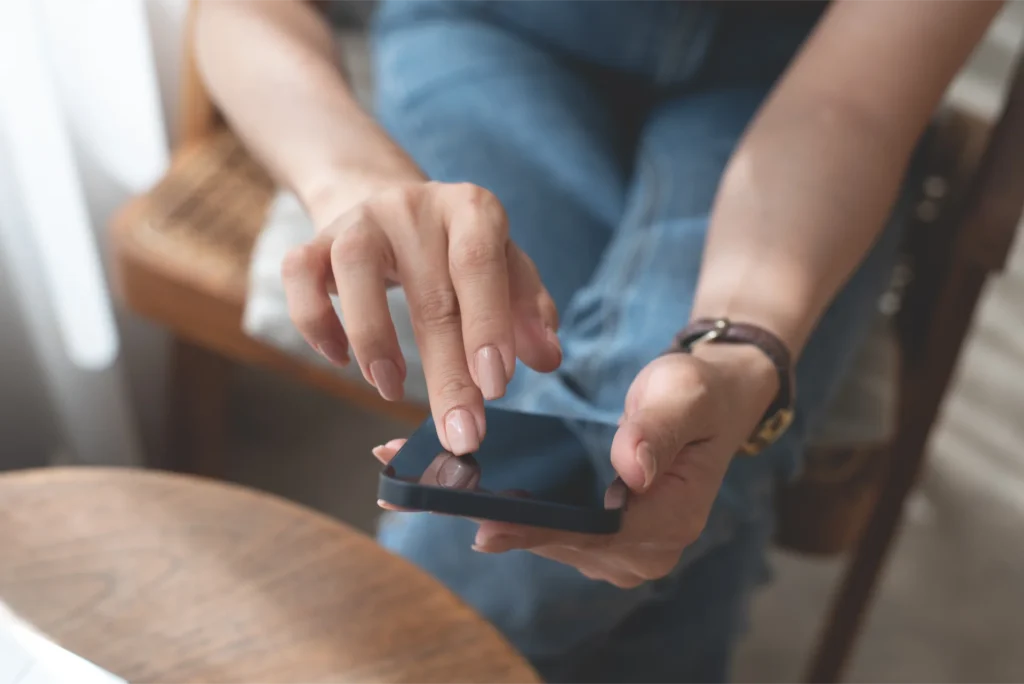
Rapid-fire thumb work on a game controller or smartphone for hours on end.
Check It Yourself: The Finkelstein Test
If you suspect your pain is actually “De Quervain’s,” try this:
- Make a fist with your “thumb tucked inside” your other fingers (thumb wrapped in the fist).
- Slowly bend your wrist down toward the little-finger side.
- If you feel a sharp, intense pain at the base of the thumb or at the wrist crease, there is a strong likelihood you have this condition.

Treatment Approach: Breaking the Pain Cycle
Treatment in rehabilitation medicine doesn’t stop at painkillers — the goal is to get you back to your sport, pain-free, for good:
| Treatment Phase | Appropriate Management |
|---|---|
| Rest Phase (Rest & Support) | A Thumb Spica Splint or thumb-base support brace to limit movement so the tendons get a genuine rest. |
| Reducing Inflammation (Modalities) | Modalities such as Ultrasound Therapy or High Power Laser to reduce swelling and accelerate tissue recovery without surgery. |
| Shockwave Therapy | In chronic cases, Shockwave therapy stimulates the body to repair the thickened tendon sheath and restore its flexibility. |
| Ergonomic Adjustment | Adjust the grip size of your sports equipment to fit your hand, reducing the strain on the thumb. |
| Wrist Conditioning | Exercises that strengthen the muscles and ligaments around the wrist and improve flexibility. |
Prevention Techniques: Train as Hard as You Like — Your Wrist Survives
Prevention is the best investment an athlete can make:
Stretching & Warm-up
Before training, gently stretch the thumb tendons (the same position as the Finkelstein Test, but held slowly — no jerking) to warm up the tendon sheaths.
Strengthening
Strengthen the forearm muscles so the bigger muscles take the load instead of the small tendons.
Ice Down
After a hard session, if the base of the thumb feels tight, apply a cold compress for 10–15 minutes.