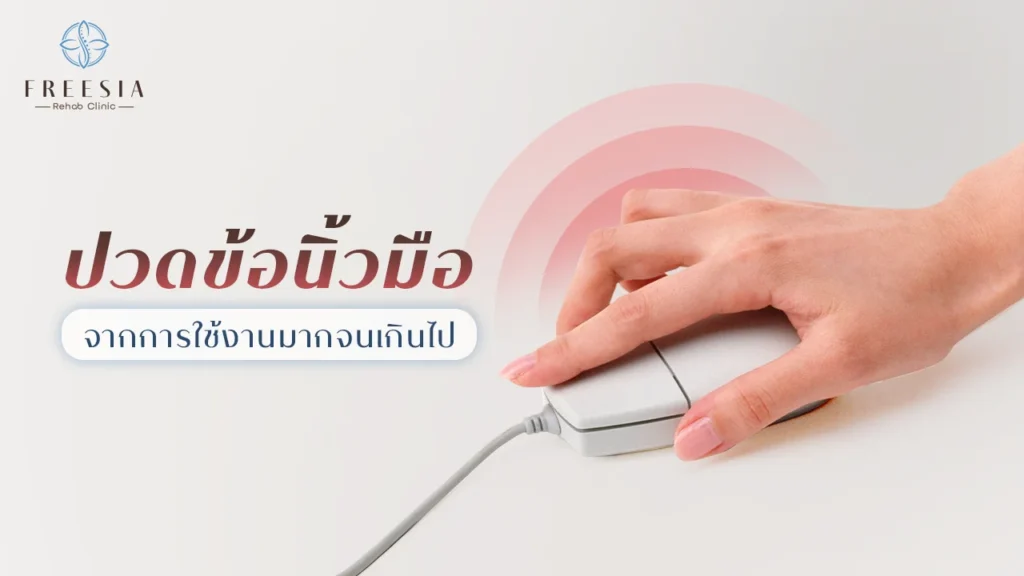
Knuckle Pain from Overuse
In an era where technology plays a huge role in daily life, spending long hours using smartphones, computers, and other electronic devices leads to knuckle pain from overuse — a common problem in the digital age.

What Is Knuckle Pain?
Knuckle pain is a symptom that can arise from many causes — accidents, degenerative changes, signs of certain diseases, or habits that involve repetitive finger use over long periods, such as using a mouse, typing on a computer, or playing on a mobile phone.
Causes of Knuckle Pain from Overuse
Knuckle pain from overuse comes from repeatedly using the knuckles for long periods without rest, causing inflammation and injury to the tendons and tissues around the finger joints. The main causes are:
- Long hours of typing or using a mouse
- Playing games or using electronic devices for extended periods
- Prolonged use of smartphones or tablets
- Work that involves repetitive finger use, such as needlework and sewing, technical/repair work, or jobs that require small tools
Common Symptoms
- Aching pain in the knuckles, hands, and wrists
- Inflamed, swollen, red, or warm knuckles
- Stiff knuckles or difficulty moving them
- Crepitus — crackling or grating sounds when moving the fingers
- Numbness or weakness in the hands
Prevention and Treatment
- Change your usage habits: Rest your fingers periodically every 20–30 minutes, vary your posture while working, or stand up and stretch. If symptoms begin, avoid activities that trigger the pain.
- Adjust your work environment: Set up your desk and chair properly, position your keyboard and mouse correctly, and use supportive accessories such as a wrist rest or an ergonomically designed mouse.
- Exercise: Regularly strengthen and stretch the muscles and tendons around the knuckles to build strength and flexibility.
- Medical treatment: If the pain is severe, consult a physician for appropriate treatment, such as pain medication; physical therapy such as shockwave therapy to stimulate tendon and muscle repair; high-intensity laser therapy to reduce inflammation; dry needling (Western acupuncture) to release muscle tension; or supportive bracing/splinting.
Keeping your knuckles strong at all times is essential for preventing knuckle pain from overuse. If we pay attention and adjust how we use our hands, we can keep using our fingers effectively for years to come. If symptoms don’t improve, you can consult a rehabilitation-medicine physician for an accurate diagnosis and proper treatment at Freesia Rehab Clinic, Rama 3.