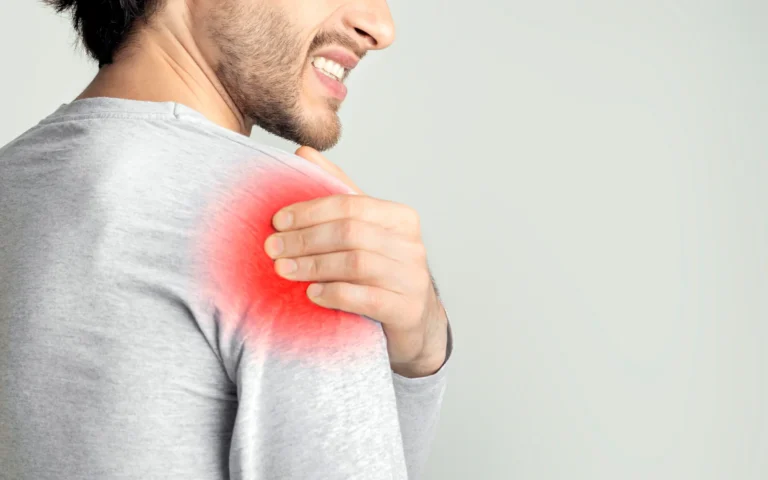
Sciatica is a common condition affecting individuals with spinal or nerve-related issues, which can disrupt daily life and lower one’s quality of life. It often occurs due to herniated discs or spinal degeneration, leading to back pain that radiates down the legs along the sciatic nerve. This condition can make patients feel uncomfortable and have difficulty moving their legs.
Causes of Sciatica
Sciatica often results from several spinal-related factors, including:
- Herniated Disc: When spinal discs slip or press on the nerves, it causes back pain that radiates to the legs.
- Degenerative Disc Disease: Degeneration of the spinal discs and vertebrae reduces the space between the vertebrae, compressing the nerves.
- Spinal Stenosis: Narrowing of the spinal canal reduces space for nerves, causing compression and radiating leg pain.
Symptoms of Sciatica
Common symptoms of sciatica include:
- Lower back pain that extends down to one or both legs.
- Numbness or tingling in the legs, especially around the thighs and feet.
- Muscle weakness or difficulty moving the legs.
- Pain that worsens with movement, such as prolonged standing or walking.
Diagnosis of Sciatica
Diagnosing sciatica requires an assessment by a spinal specialist. The diagnosis begins with a medical history review and a physical examination. Advanced imaging techniques like MRI, X-rays, or CT scans may also be used to provide clear images of the spine and discs.
Treatment for Sciatica
Treatment depends on the severity of symptoms and the underlying cause. Key treatment options include:
- Medication: Anti-inflammatory drugs (NSAIDs), muscle relaxants, nerve pain relievers, and painkillers help alleviate pain and inflammation.
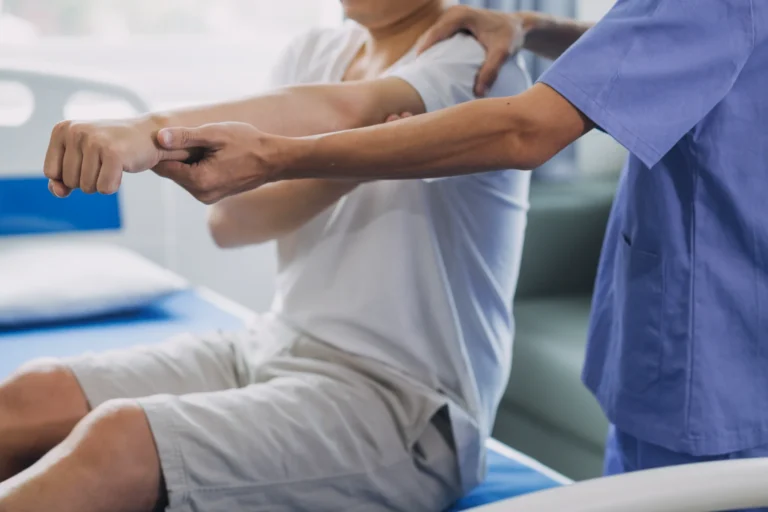
- Physical Therapy: Exercise programs and physical therapy strengthen back muscles and reduce pain recurrence.
- Surgery: In severe cases of nerve compression, surgical intervention, such as repairing herniated discs, may be necessary.
Prevention of Sciatica
Preventing sciatica involves simple lifestyle adjustments, including:
- Avoiding heavy lifting or frequent bending that strains the back.
- Exercising regularly, with a focus on core strengthening.
- Stretching muscles to maintain spinal flexibility.
- Practicing proper posture when lifting objects or sitting at work to reduce back strain.
Conclusion
Proper and timely treatment of sciatica can improve a patient’s quality of life. Consulting with specialists and incorporating physical therapy can help manage pain and restore physical function. Lifestyle adjustments, such as regular exercise and avoiding improper postures, can reduce the risk of developing sciatica in the future.
If you experience radiating back pain, you can consult our rehabilitation specialists at Freesia Rehab Clinic, located in Rama 3. We provide comprehensive rehabilitation and physical therapy services to help you recover effectively.
Reference
- Mayo Clinic. “Sciatica”. https://www.mayoclinic.org/diseases-conditions/sciatica
- National Institute of Neurological Disorders and Stroke (NINDS). “Sciatica”. https://www.ninds.nih.gov/health-information/disorders/sciatica
- WebMD. “Herniated Disk”.
https://www.webmd.com/back-pain/herniated-disc