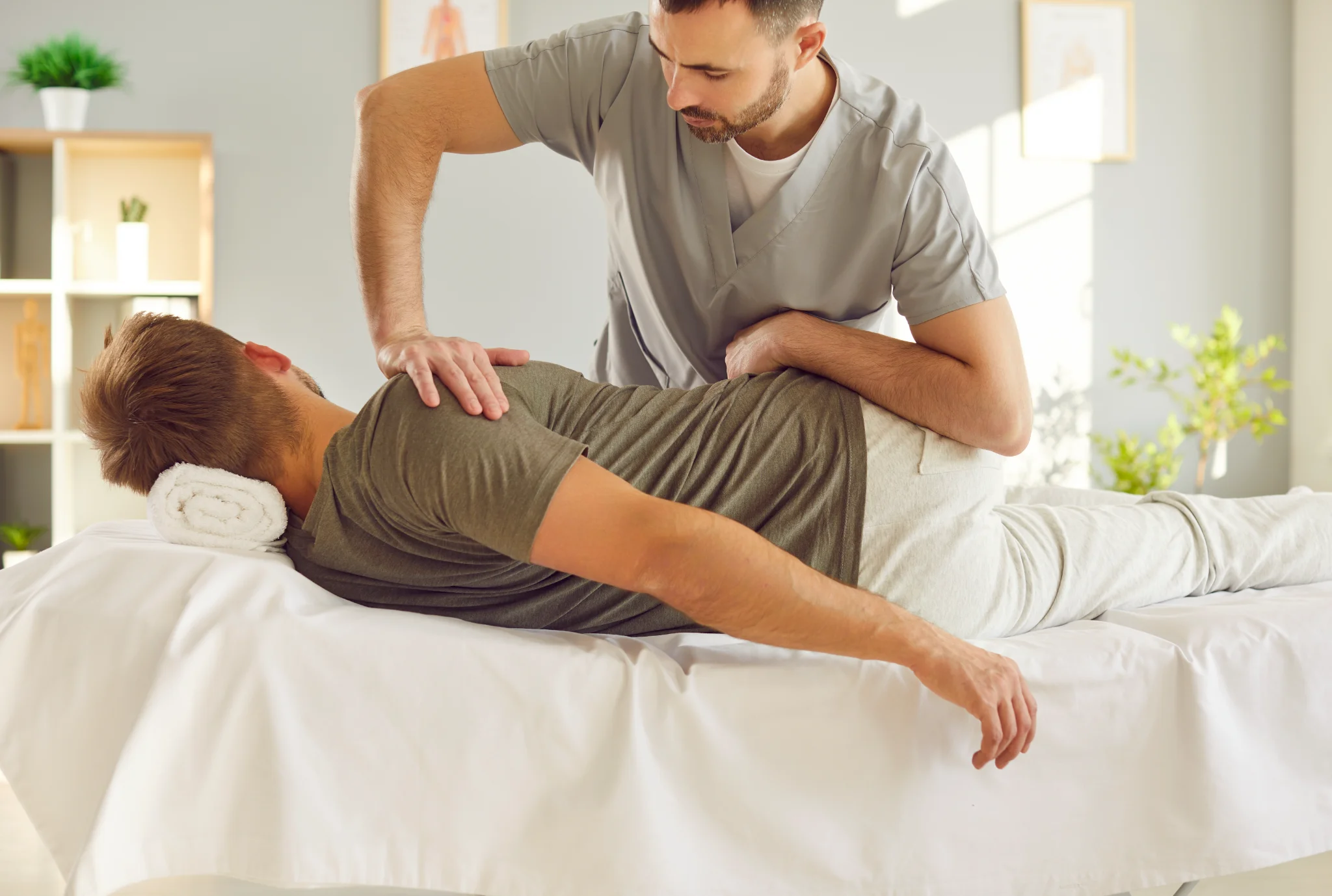
As a physiatrist at Freesia Rehab Clinic, I hear this question daily. The honest answer: it depends entirely on the root cause of your symptoms and your treatment goals. Understanding the difference can save you months of frustration and unnecessary expense.
Massage therapy
focuses on relaxing tight muscles, improving local circulation, and stimulating the nervous system to temporarily reduce pain signals. It increases endorphin release, creating that familiar feeling of relief after a session. For stress-related muscle tension, post-workout soreness, or as a complement to other treatments, massage is genuinely beneficial.
However, a comprehensive 2024 systematic review published in JAMA Network Open — analyzing 129 systematic reviews on massage therapy — found that when massage is compared to other active treatments, no clear superiority was evident. This doesn’t mean massage is without value; it means massage alone is insufficient as a long-term solution for structural or chronic pain.
Physical therapy
guided by a physiatrist or physiotherapist, takes a fundamentally different approach. We begin with a detailed clinical assessment: posture analysis, movement screening, muscle strength testing, and neurological evaluation. The goal is to identify the root cause, not simply the location, of your pain. A patient with knee pain, for example, may have weak hip abductors causing increased knee loading. Massaging the knee provides temporary relief; strengthening the hip eliminates the cause.
The second critical difference is sustainability. Physical therapy teaches you corrective exercises, postural adjustments, and behavioral changes that reduce the likelihood of recurrence. You become an active participant in your recovery, not just a passive recipient of treatment.
Choose physical therapy when:
• Pain has persisted beyond 2 weeks without improvement
• You experience radiating pain into the arm or leg
• You are recovering from surgery or an acute injury
• Pain keeps recurring despite conservative measures
• Symptoms significantly disrupt sleep or daily function.
Choose massage when:
• You need general stress and muscle tension relief
• You have mild post-exercise soreness
• You are using it as a complementary modality alongside a physiatrist-directed program.
The two approaches are not mutually exclusive. Therapeutic massage works beautifully as an adjunct to structured physical therapy; softening tissue before targeted exercise or joint mobilization. The critical starting point is accurate diagnosis. Without understanding why your body hurts, treatment becomes guesswork.
At Freesia Rehab Clinic, every treatment plan begins with a thorough physiatrist evaluation, so that whatever modality we use, we are targeting the real problem.
References: 1) PMC11250267 — Massage Therapy for Pain Systematic Review. JAMA Network Open 2024. 2) APTA. choosept.com. 3) Freesia Rehab Clinic. freesiarehabclinic.com