
Leg Pain
Leg pain is a common ailment that can be caused by a variety of factors and can significantly impact a person’s quality of life.
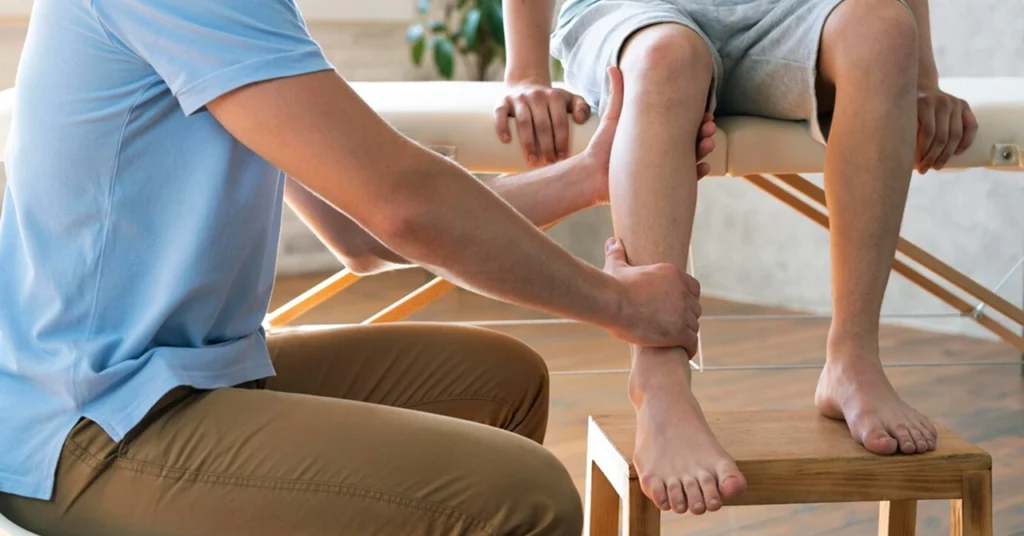
What is Leg Pain?
Leg pain refers to discomfort or pain felt anywhere from the thigh to the calf or foot. The pain can be caused by injuries, overuse, or underlying medical conditions.
Causes of Leg Pain
Injuries
Accidents, overexertion, or repetitive strain can lead to muscle tears, ligament sprains, or fractures.
Overuse
Excessive standing, walking, or physical activity can cause muscle fatigue, cramps, or inflammation.
Arthritis
Degeneration of the cartilage in the joints can lead to pain and stiffness.
Vascular diseases
Conditions such as peripheral arterial disease can restrict blood flow to the legs, causing pain, especially during exercise.
Other conditions
Diabetes, gout, and nerve disorders can also cause leg pain.

Risk Factors and Warning Signs
Treatment for Leg Pain
Treatment for leg pain depends on the underlying cause and severity of the symptoms. Self-care measures may include:

Rest
Avoid activities that aggravate the pain.
Cold packs
Apply cold packs to reduce swelling and pain.
Pain medication
Over-the-counter pain relievers or anti-inflammatory drugs can help alleviate pain.
Exercise
Gentle stretching and strengthening exercises can help improve flexibility and reduce pain.

If self-care measures do not alleviate the pain, it’s important to consult a healthcare professional. They may recommend:
Physical therapy
Therapeutic exercises and modalities to improve function and reduce pain.
Medications
Prescription medications for pain, inflammation, or nerve pain.
Surgery
In severe cases, surgery may be necessary to correct underlying issues.
If you experience persistent leg pain, consult with a healthcare professional. Early diagnosis and treatment can help prevent complications and improve your quality of life.
Freesia Rehab Clinic offers comprehensive rehabilitation services for individuals suffering from leg pain. Our team of experienced physiatrists and therapists with medical equipment can help you recover and prevent future injuries.
Prevention

Regular exercise
Strengthens muscles and improves circulation.

Warm-up before physical activity
Helps prevent injuries.


